
Micro French Tip Nails: Modern Looks With a Fine Edge
Hairline French placement, balanced proportions and clean nail shapes create one of the lightest ways to wear a French manicure.
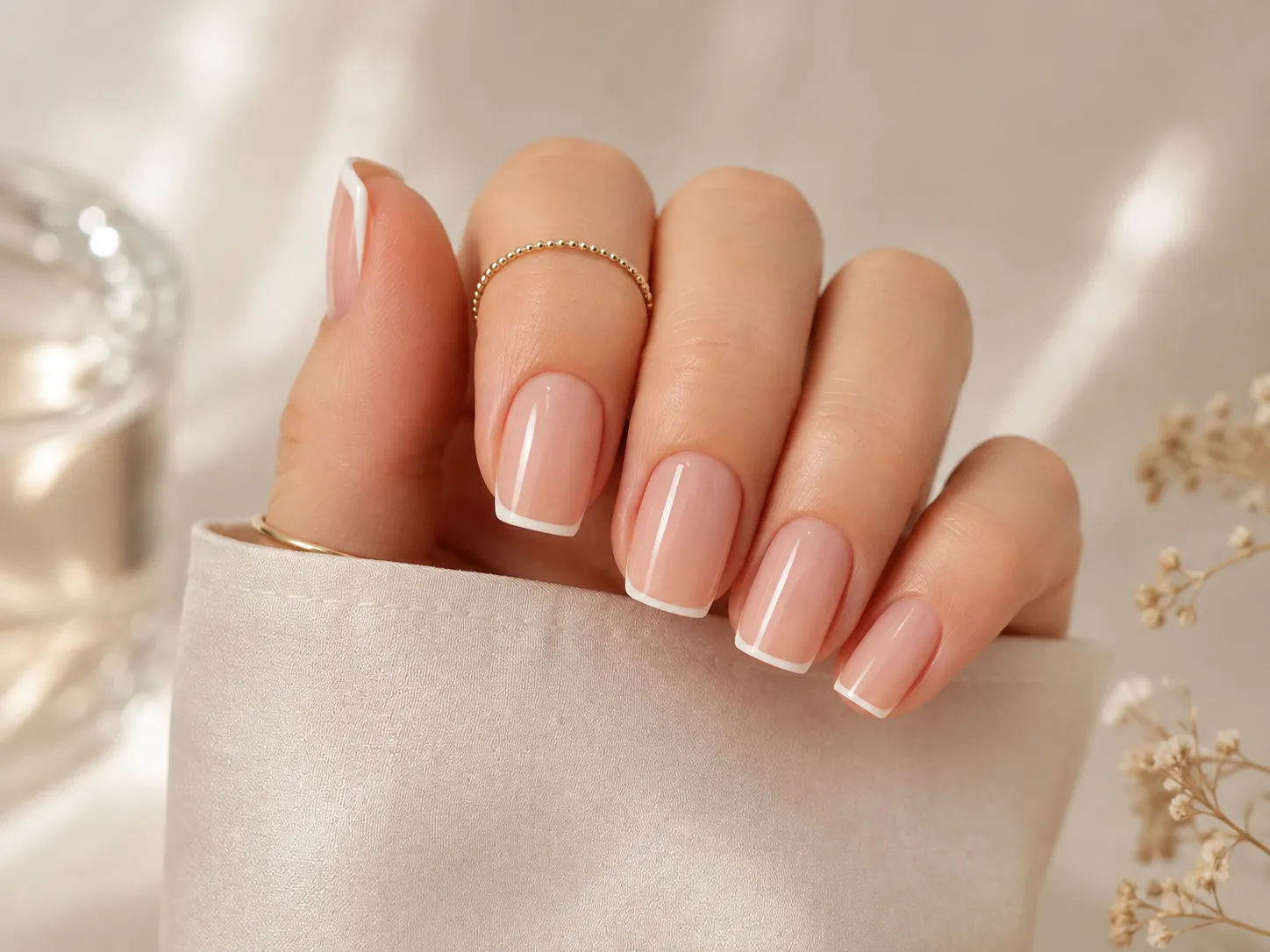
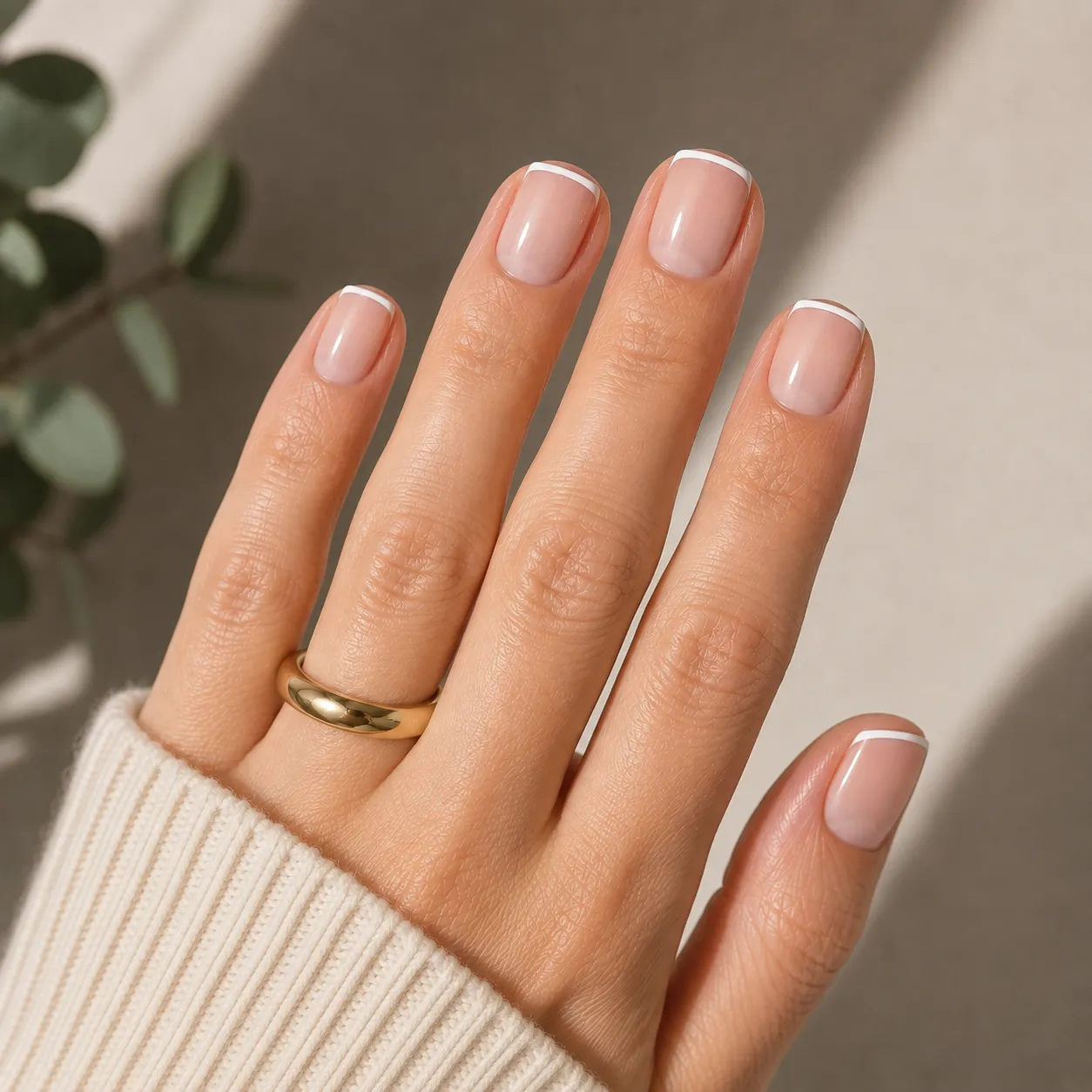
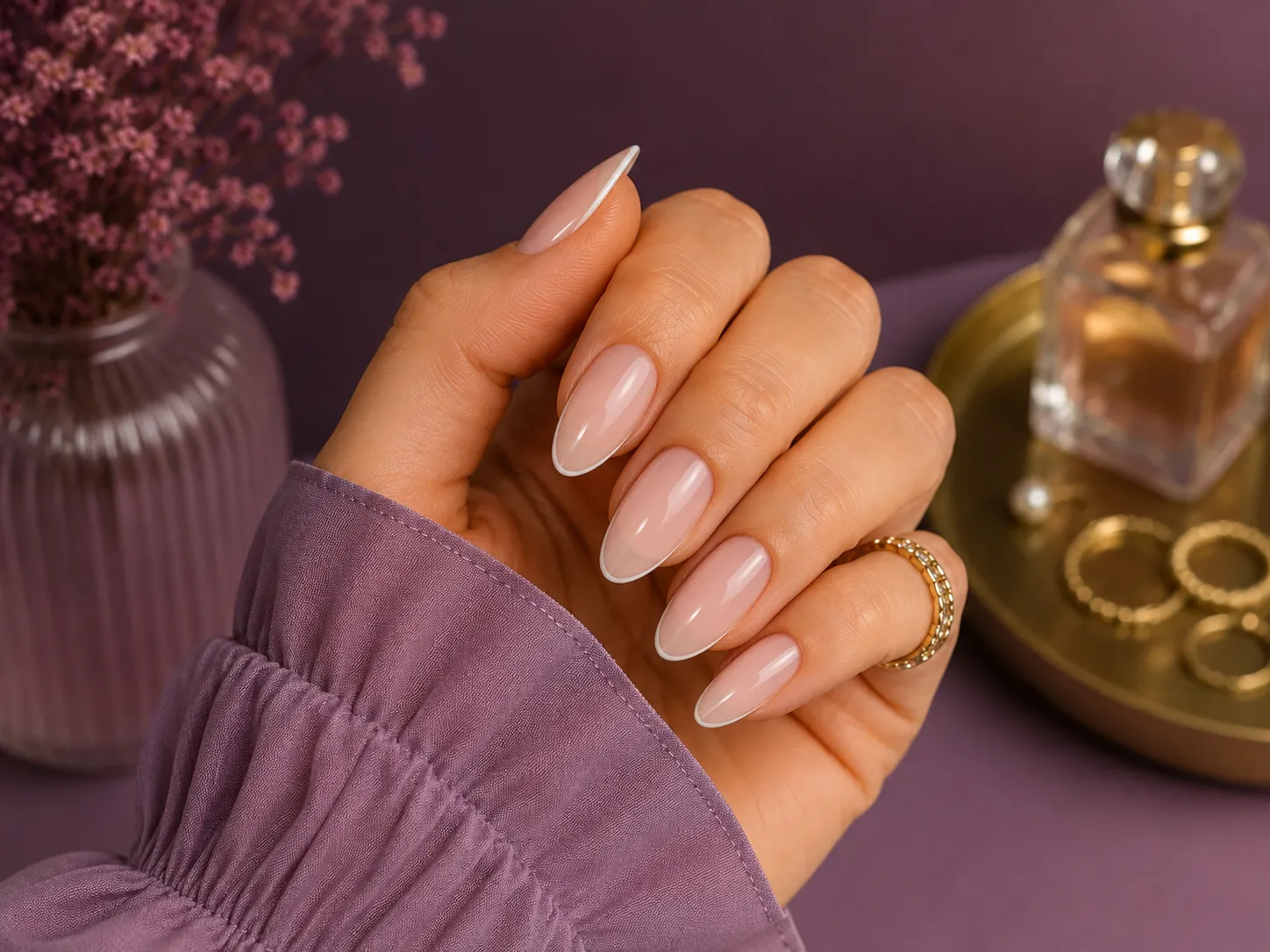
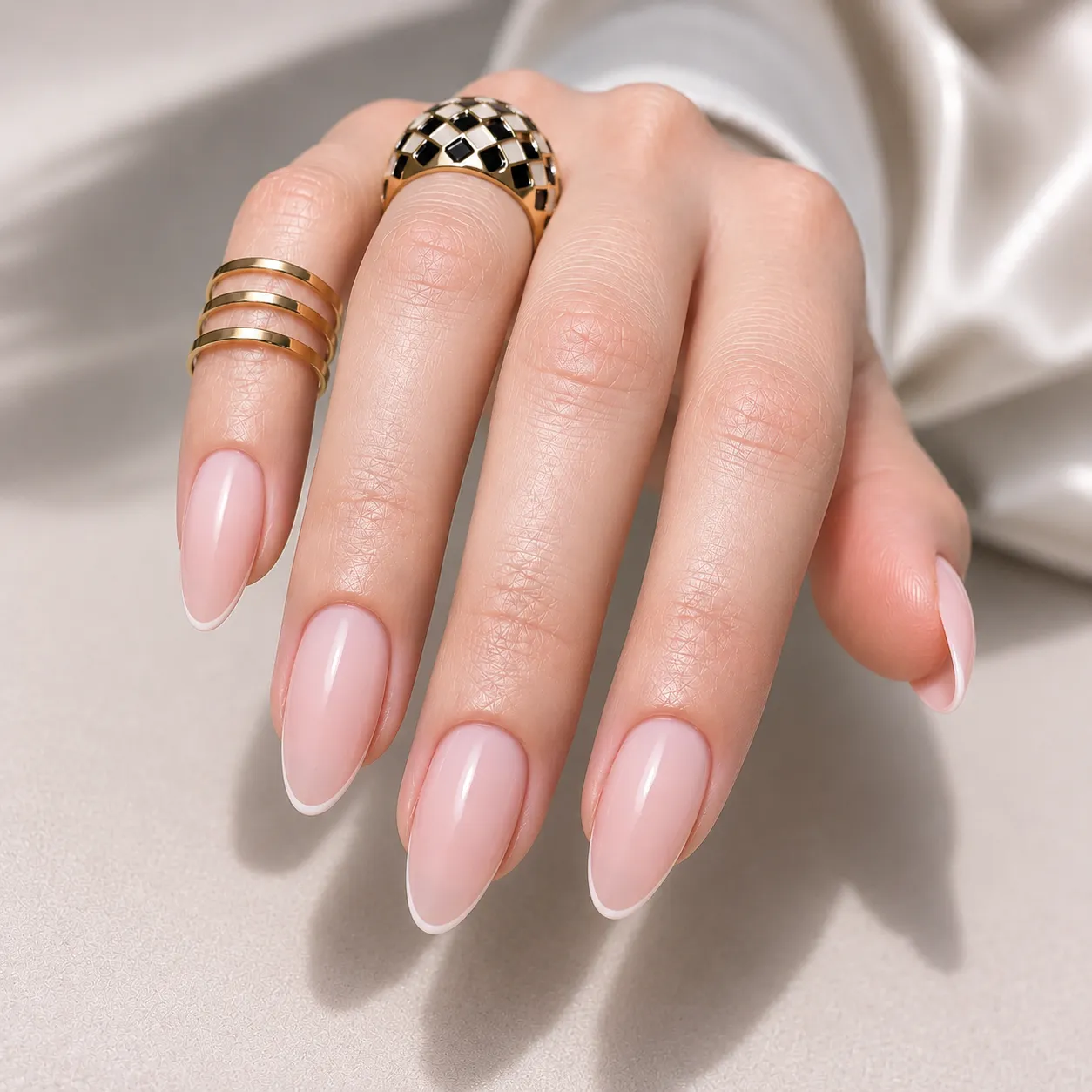
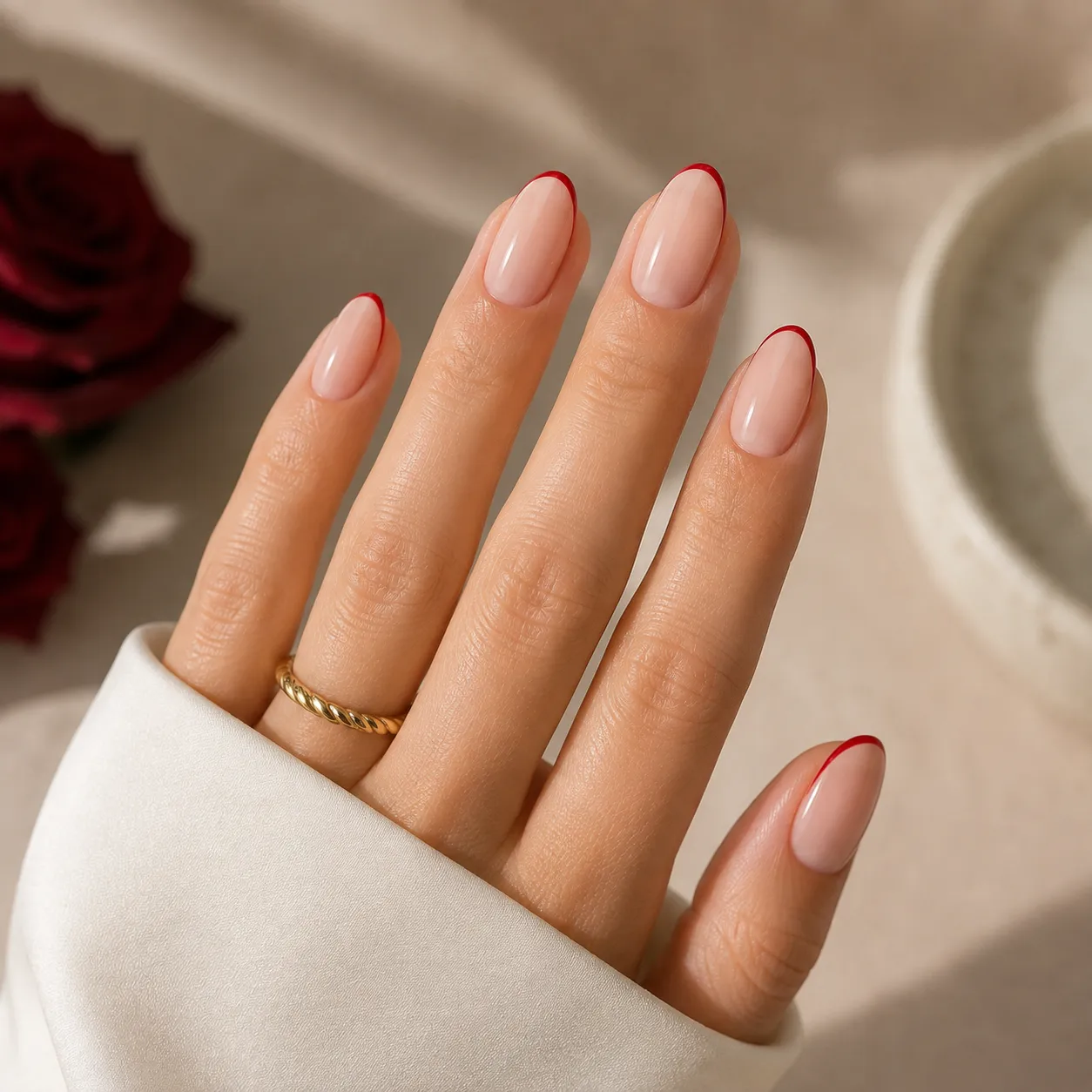
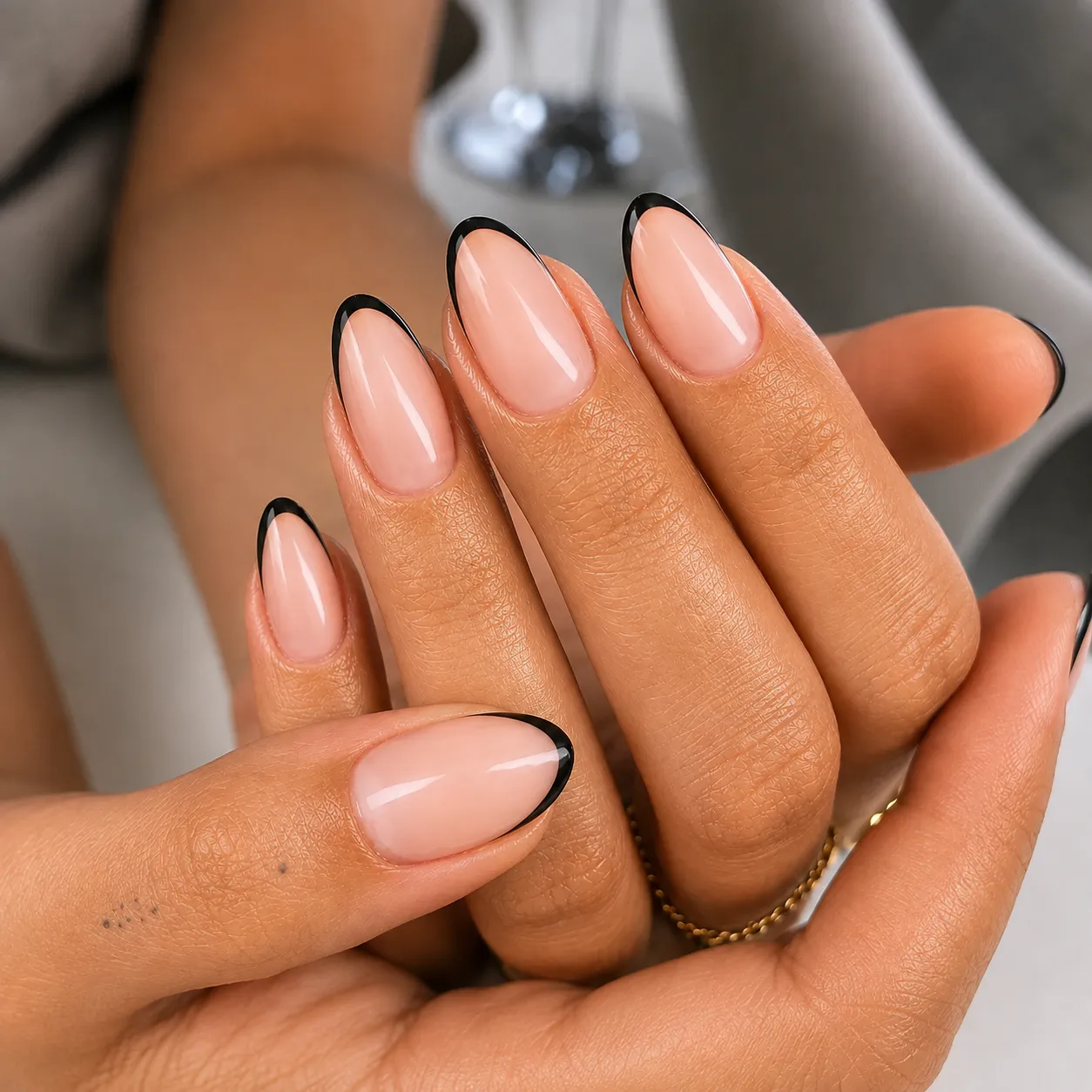
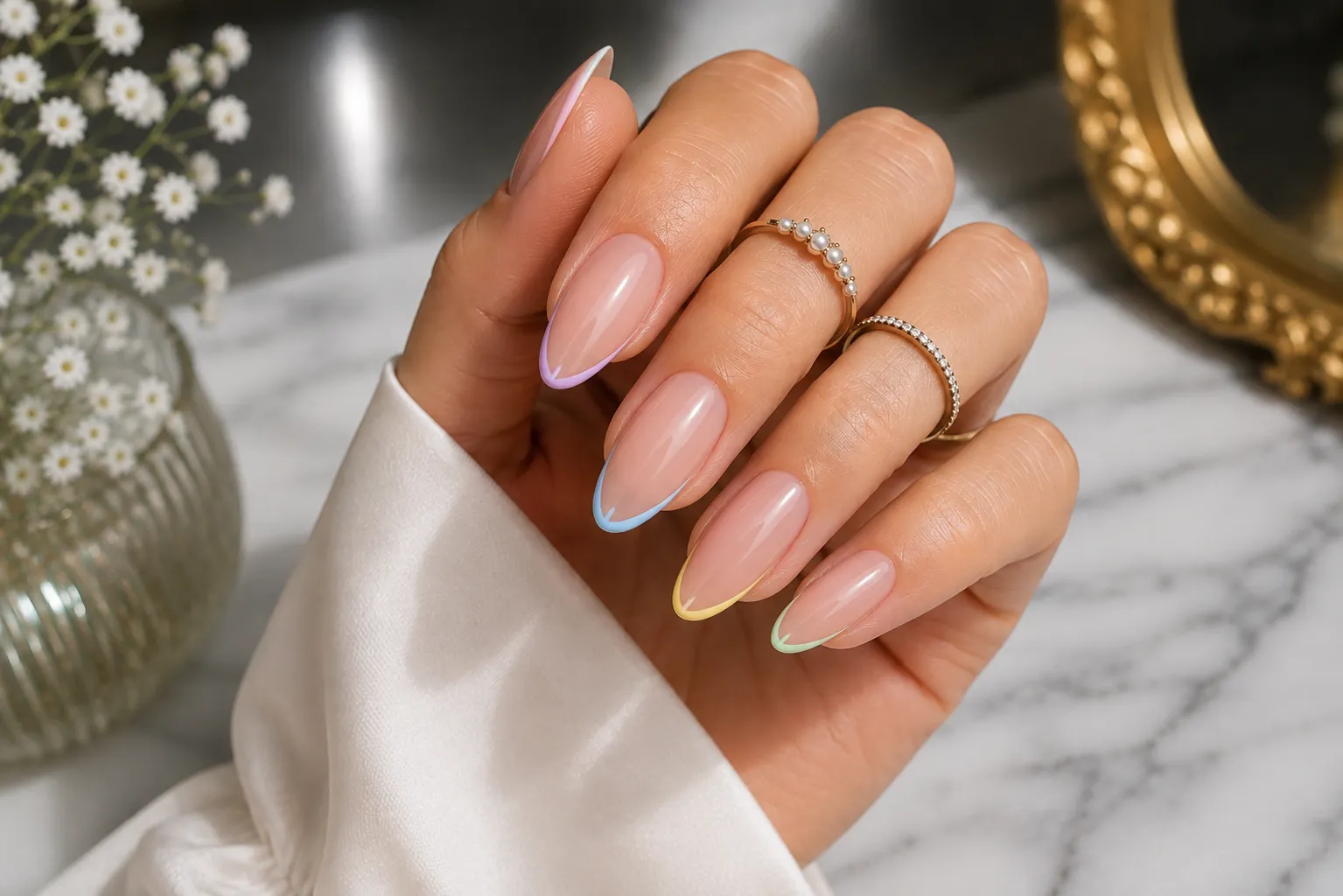
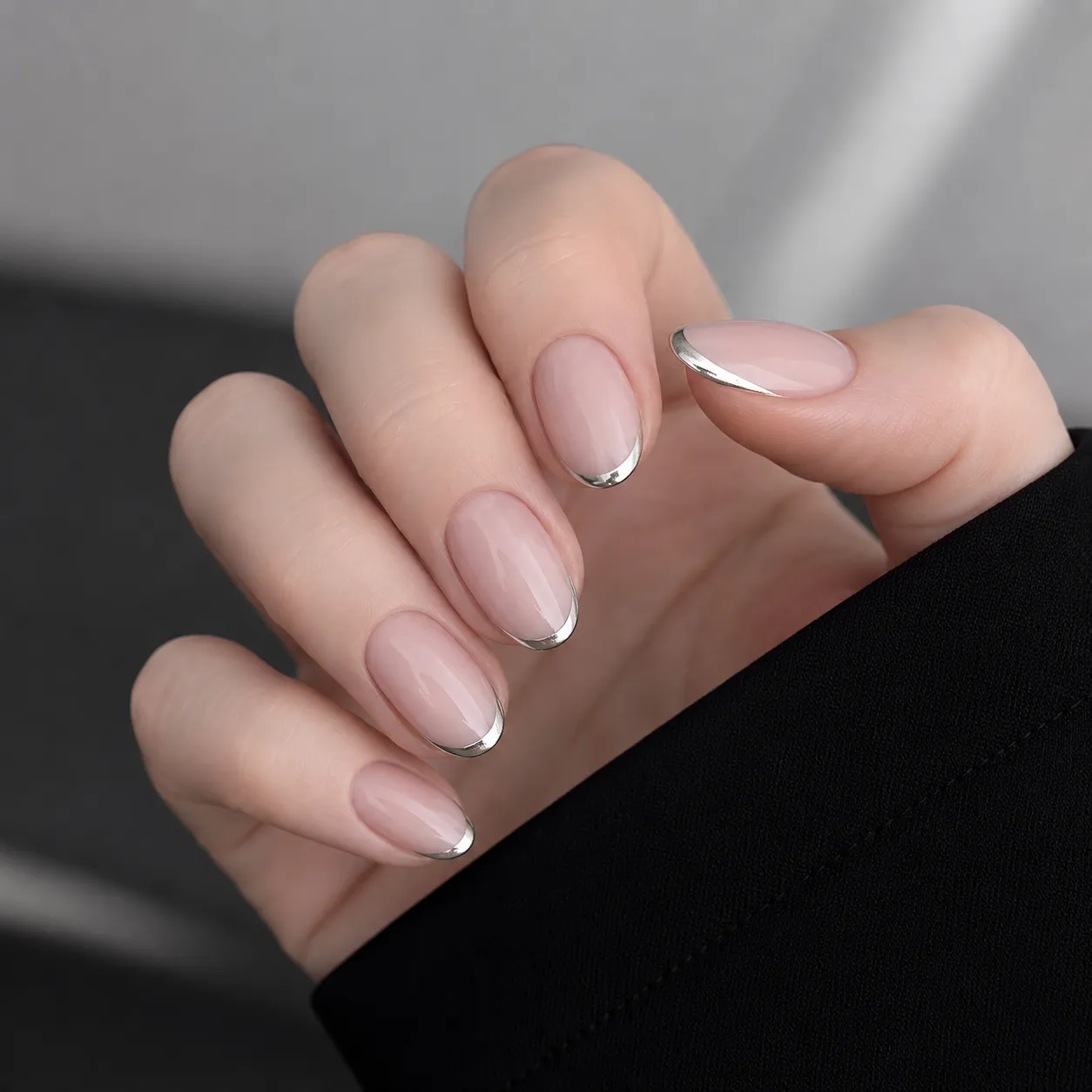
Micro French tip nails replace the traditional filled French band with a fine line along the free edge. The line stays clearly visible, but the nail bed remains the dominant part of the manicure. White is the classic choice, while red, black, pastel and chrome create stronger versions without sacrificing the defining micro proportion.
What Makes a French Tip Truly Micro?
It Should Read as a Line, Not a Band
Micro French is defined by proportion, not one universal millimetre measurement. The colored edge should trace the free edge delicately rather than becoming a separate block of color.
Fine and visually consistent
The line should maintain a controlled visual weight instead of becoming noticeably heavier through one side of the nail.
Clean at both sidewalls
Both ends should finish deliberately. Uneven endpoints make the entire tip look tilted even when the center line is clean.
Balanced nail by nail
A thumbnail and pinky should not receive the same literal line width. Each edge is scaled so the finished set carries consistent visual weight.
Fine does not mean faint
White and colored tips should remain clean and opaque rather than streaky, translucent or repeatedly overpainted.
The painted edge follows the underlying nail silhouette. A micro line cannot correct an uneven square, an off-center almond or mismatched sidewalls underneath.
Micro French Tip Nail Ideas: From Classic to Modern
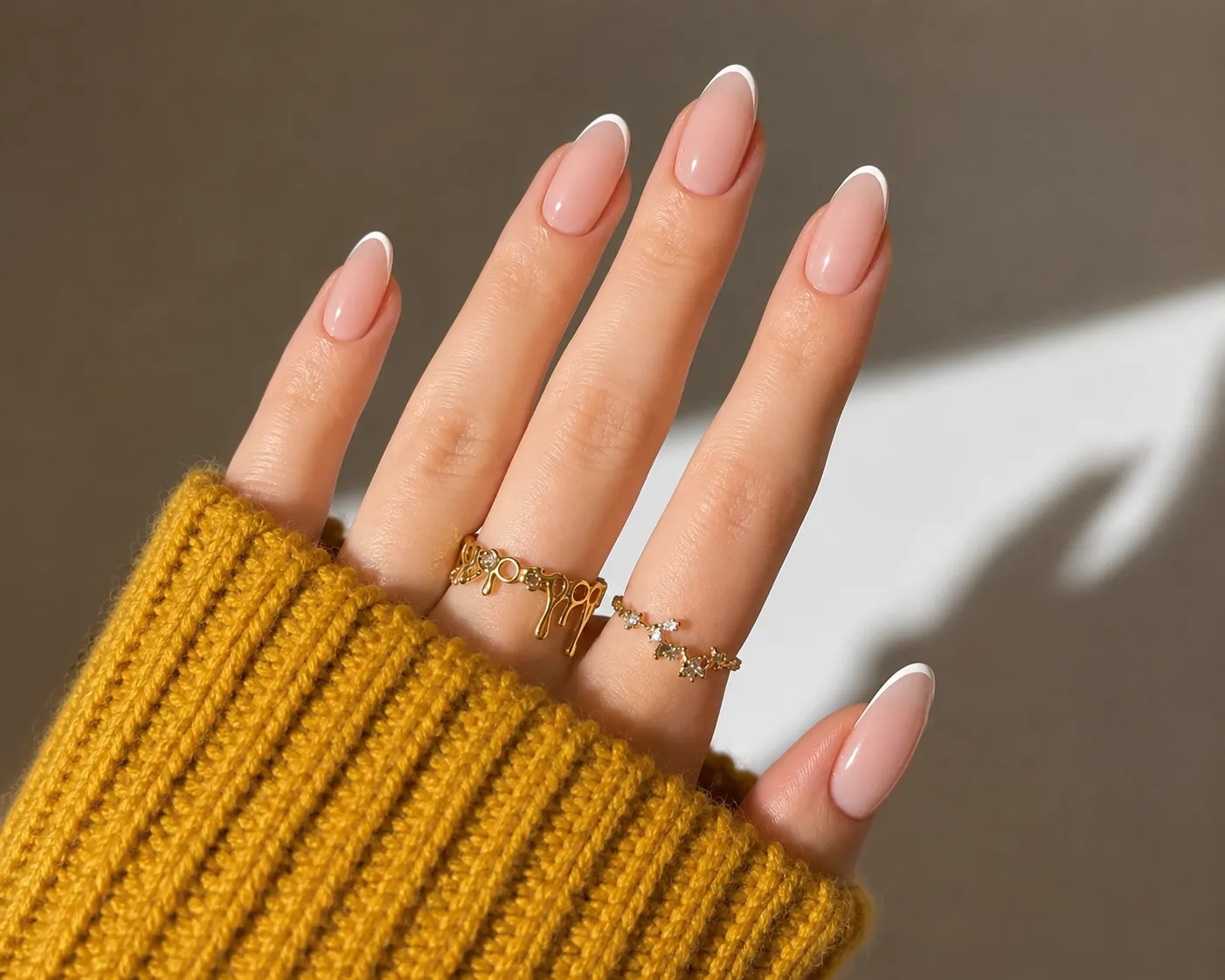
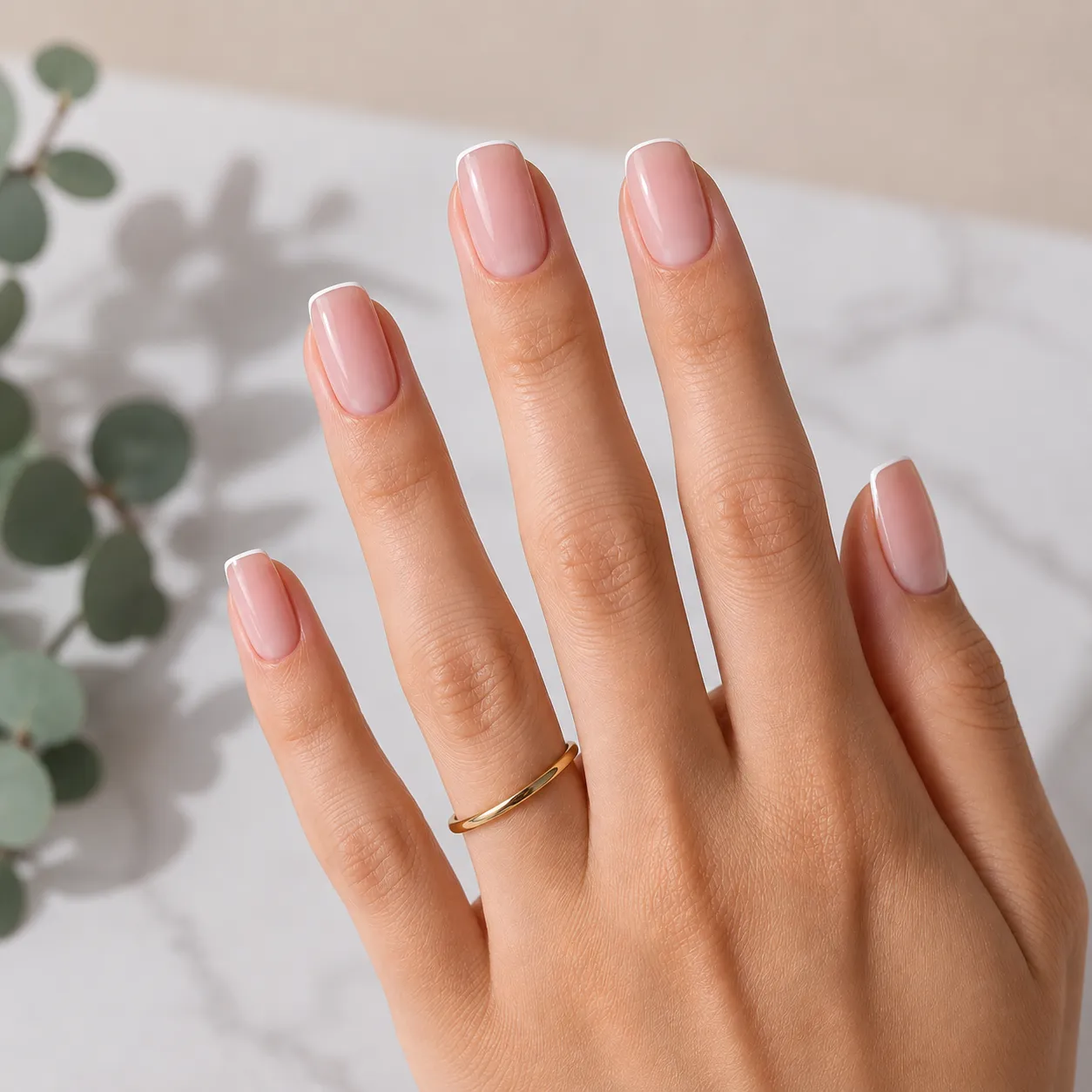
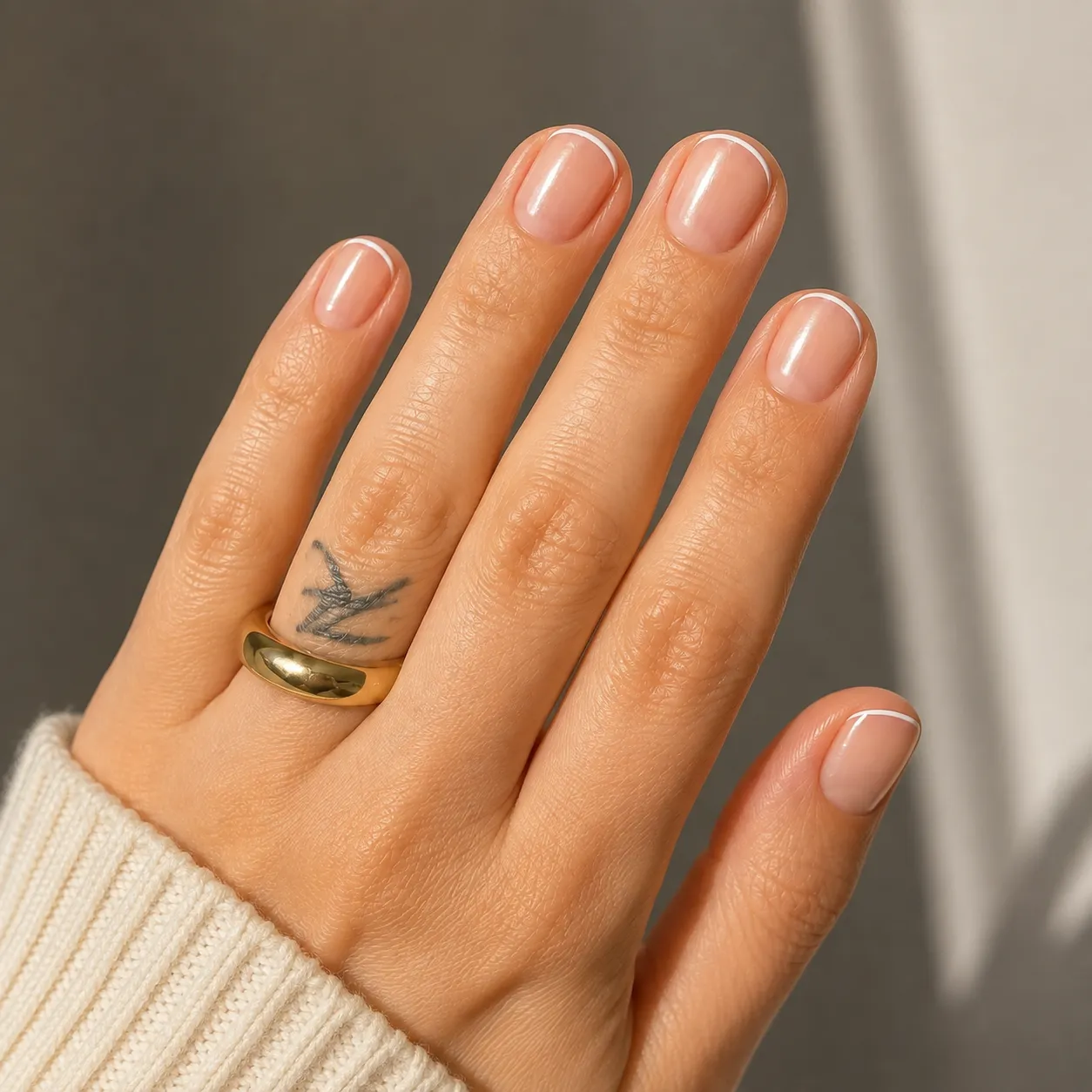
The line stays fine in every version below. What changes is the nail shape, base opacity, tip color or finish.
Micro French vs. Thin Classic French
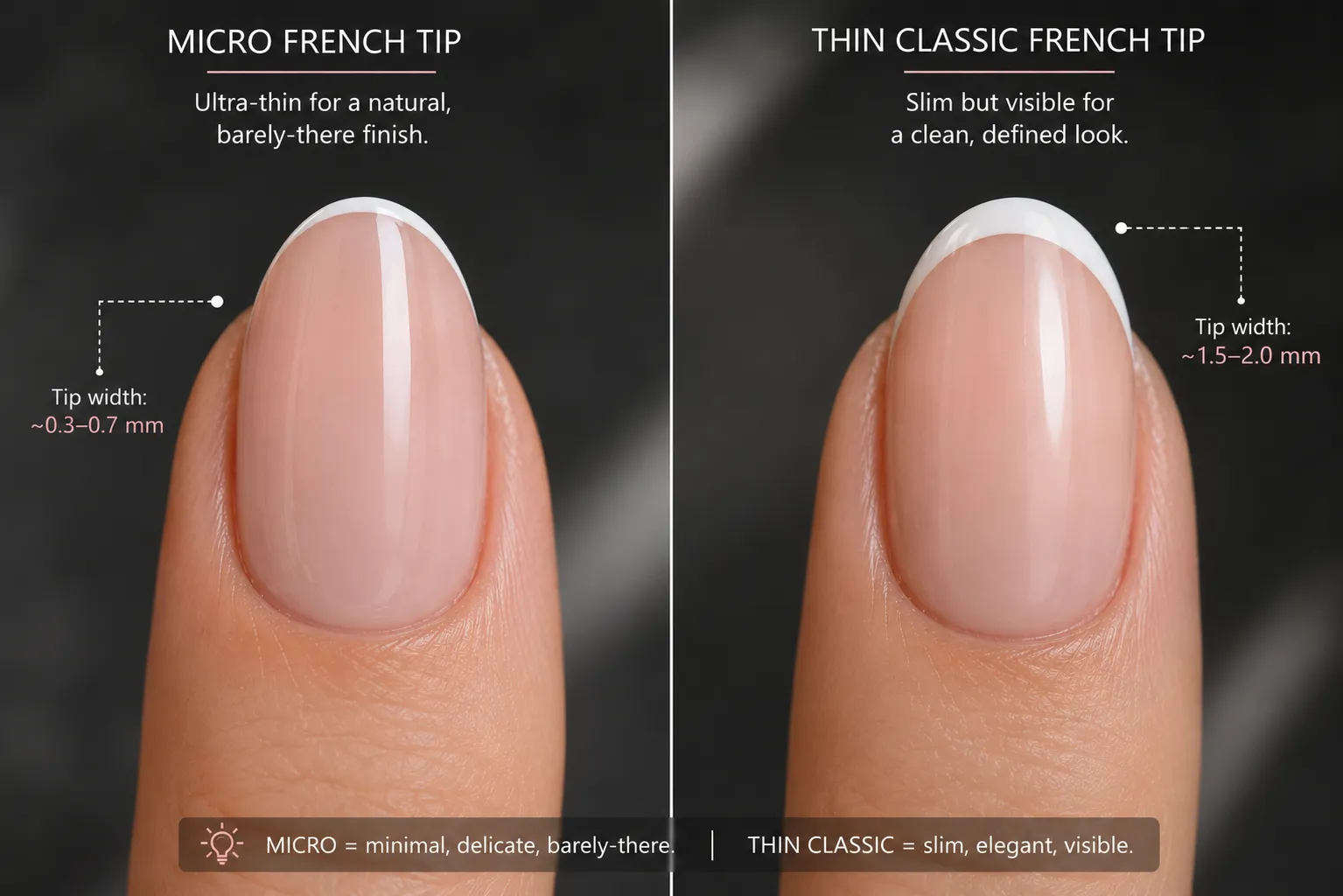
The difference is subtle but important. Micro French behaves like an outline of the free edge. Thin classic French uses a restrained band, but there is still enough color for the tip to read as a separate section of the manicure.
| Style | How It Reads | Best Match | Watch For |
|---|---|---|---|
| Micro | Fine outline | Short nails, minimalist looks | Uneven line weight |
| Thin Classic | Narrow filled band | Short-medium nails | Tip becoming visually heavy |
| Classic | Clearly defined French section | Medium or longer nail beds | Excessive depth on compact nails |
If the colored area reads primarily as a line, the placement is micro. Once it reads as a separate section of color, it has moved into thin classic French territory.
How Base Opacity Changes a Micro French
The same fine white edge can look completely different depending on what sits underneath it. Base opacity controls how natural, soft or graphic the finished manicure appears.
The classic micro base
Sheer pink keeps natural translucency visible and gives a white hairline the most recognizably French finish.
Quieter contrast
A nude base brings the nail color closer to the surrounding skin and lets the fine tip become the primary point of contrast.
Softer and more polished
Milky coverage reduces visible variation in the natural nail and gives the manicure a smoother, softer finish.
Cleanest graphic contrast
Greater base coverage creates a more uniform canvas, making white, black, red and metallic micro edges look sharper.
Which Nail Shapes Work Best With Micro French Tips?
Micro French works across the major nail shapes, but the edge has to follow the silhouette underneath it. For the full comparison, see the Nail Shapes Guide .
How to Tell a Good Micro French From a Poor One
Micro French exposes placement errors quickly because there is no heavy decoration to distract from them. Line weight, endpoints, proportion and opacity are the main quality checks.
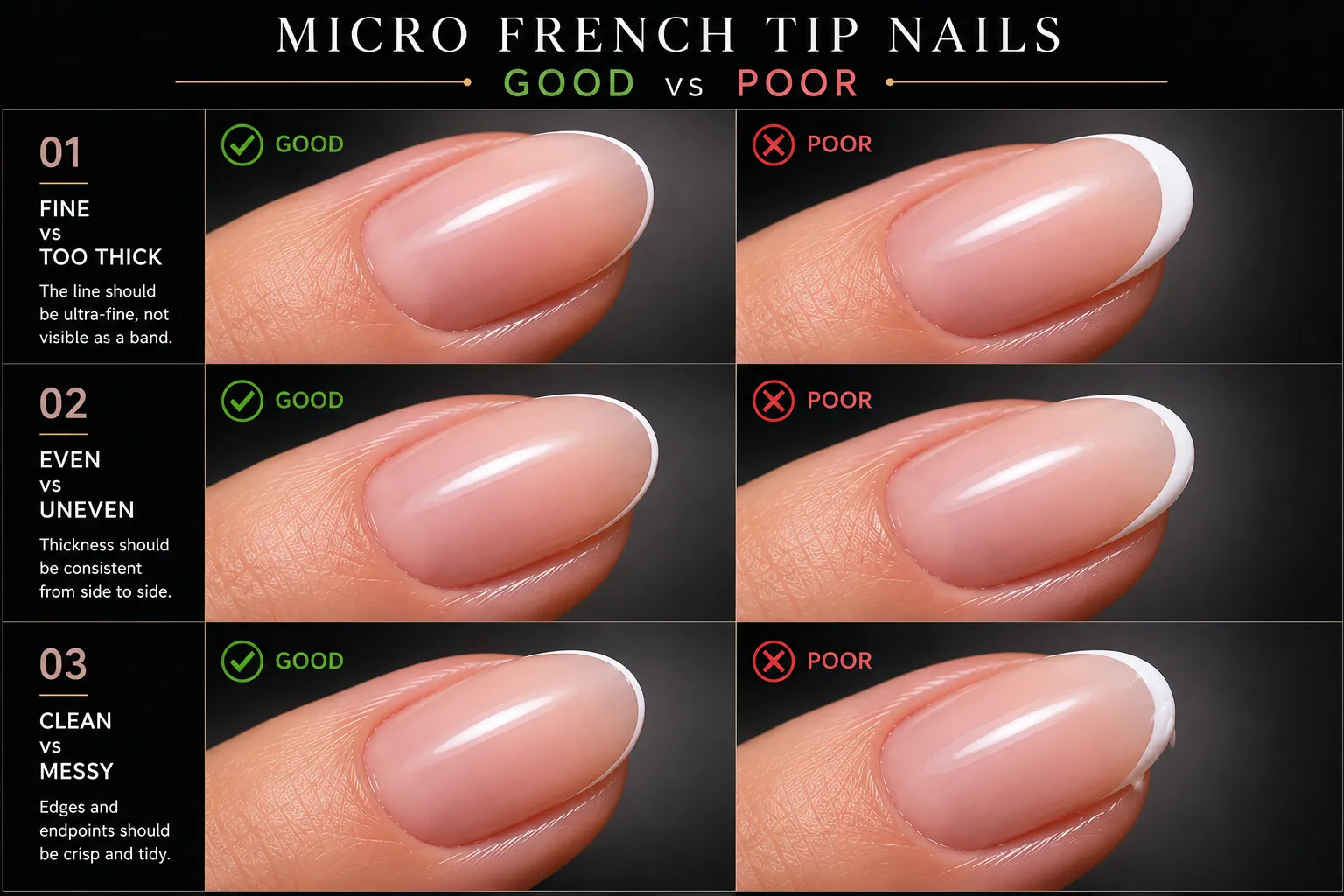
Check overall visual weight
One hand should not look noticeably heavier or whiter than the other.
Look for matched endpoints
Both sides should terminate intentionally rather than one end sitting visibly higher.
Smaller nails reveal poor scaling
A line copied literally from the thumb becomes disproportionately heavy on a narrow pinky.
Thin should still look finished
Patchiness, streaks and weak opacity make the edge look accidental rather than deliberately minimal.
How Practical Are Micro French Tips?
Micro French does not require long nails or a fragile silhouette. Practicality comes from the nail length, shape and product system. A short squoval micro French is particularly easy to wear because the nail stays compact while the tip remains visually light.
| Routine | Best Approach | Why |
|---|---|---|
| Heavy typing | Short squoval + micro line | Keeps length compact and the visual edge light. |
| Office / meetings | Sheer pink + white micro | Clean, subtle and easy to coordinate. |
| Events | Almond + chrome or colored micro | Adds impact without requiring a deep tip. |
| Very short nails | Ultra-thin white line | Preserves the greatest amount of visible nail bed. |
For more impact, change the tip color or finish before increasing the width. That keeps the design recognizably micro.
Can You Do Micro French Nails at Home?
Yes. The technique is simple in concept but demanding in execution because a hairline edge exposes small placement errors. A fine liner or striping brush gives far more control than the standard brush inside a polish bottle. Short square and squoval nails are easier starting points because their terminal edges give the line a clear path to follow.
Shape the nails first, apply the base cleanly, then paint the thinnest controlled edge you can repeat consistently. A slightly thicker line that matches across all ten nails looks better than an ultra-fine line with uneven weight.
How to Maintain Micro French Tips
The edge itself does not require unusual aftercare, but the precision of the design makes wear easier to see. A tiny chip can interrupt a micro line immediately, so protecting the free edge matters even though very little polish is used there.
Keep the surrounding skin conditioned
Cuticle oil keeps the surrounding skin smooth, which matters more visually when the manicure itself is extremely minimal.
Small chips are easy to see
Picking, scraping and prying can break the painted edge. Even a small missing section interrupts the clean line immediately.
Growth changes the overall balance
As the nail grows, the relationship between visible nail bed, free edge and painted line changes even when the polish remains intact.
Do not peel cured product away
Follow the removal method appropriate to the polish or enhancement system used.
Do Not Peel Off Gel or Builder Product
Peeling cured product can pull surface layers from the natural nail along with the coating. Do not lift, scrape or force the product away.
Use the removal method designed for the product applied, or have the manicure professionally removed when the product type or removal method is uncertain.
Read the Safe Removal Guide →What to Ask for at the Salon
“Thin French” is too broad if you specifically want micro placement. Describe the proportion, nail shape and base finish, then use a close reference photo to show the exact line weight.
Ask for true micro placement
Make clear that you want a hairline edge rather than a narrow but visibly filled classic band.
Choose the silhouette first
Square, squoval, oval and almond require different edge paths.
Specify the opacity
Sheer nude, blush pink, milky and opaque bases create noticeably different levels of contrast beneath the same tip.
Show the line close up
Use an image where the French thickness is clearly readable rather than a distant hand pose.
A Clear Booking Request
“I would like a very fine micro French line, not a thin classic band. Please keep the line proportional to each nail, use a sheer base, and use this photograph as the reference for the tip thickness and shape.”
Show the technician a close-up reference where the edge thickness is clearly visible. That removes ambiguity around what “micro” means.
Final Verdict
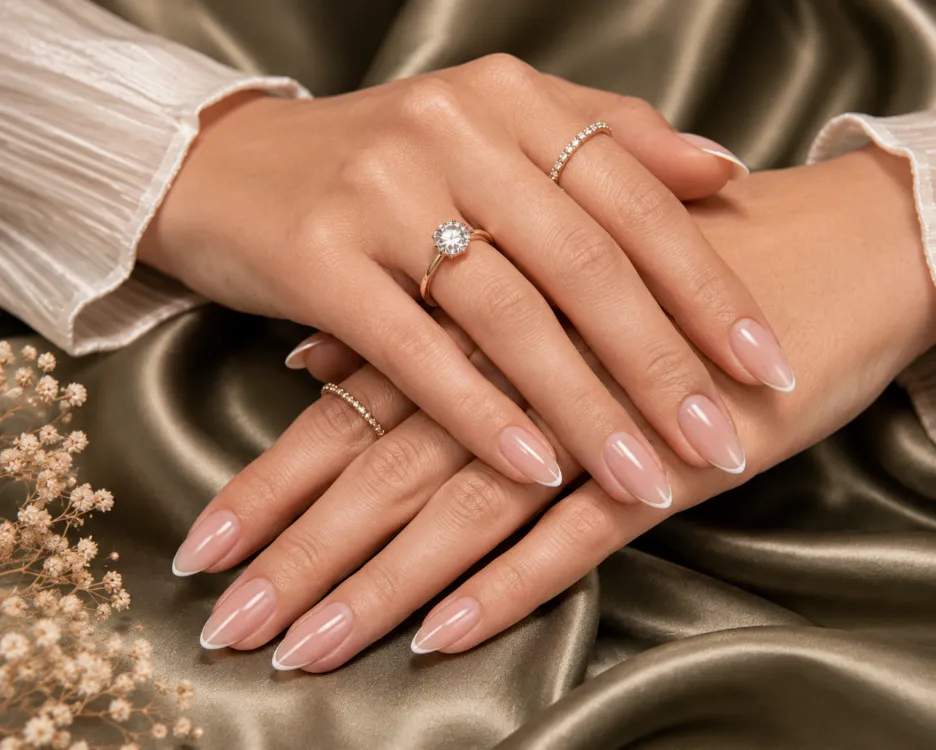
Micro French tip nails succeed through control. The free-edge line stays fine, opaque and proportional while the underlying nail shape remains clear. White gives the most traditional result; black, red, pastel and chrome add impact without requiring a broader band. Short squoval is a particularly strong everyday choice, square makes the design more graphic and almond gives it a more tapered finish.
Frequently Asked Questions
What is a micro French manicure?
A micro French manicure uses a very fine contrasting line along the free edge instead of the broader filled band associated with a classic French manicure.
How thin should micro French tips be?
There is no universal measurement. The edge should read as a fine outline, with its width scaled to the size and shape of each nail.
Are micro French tips good for short nails?
Yes. A fine edge preserves more visible nail-bed space than a broad French band, making micro French particularly effective on short nails.
Which nail shape works best with micro French tips?
Squoval is a versatile everyday choice, square gives a crisp graphic finish, oval feels softer and almond creates more taper.
Can micro French tips be done with regular polish?
Yes. Regular polish and gel both work. Regular polish offers easier home removal, while gel gives longer wear and precise staged application.
Are micro French nails easy to do at home?
The design is achievable at home, but the fine line makes uneven placement obvious. A fine liner or striping brush gives much better control than a standard polish brush.
How long do micro French tip nails last?
Wear depends on preparation, product system and daily use. Regular polish generally lasts several days to around one week, while gel commonly lasts around two to three weeks.
Why can micro French cost more than solid color?
Salons commonly charge a French or nail-art fee because every tiny edge has to be positioned, matched and refined individually.
What should I ask for at the salon?
Ask for a true hairline or micro French edge rather than simply a thin French band. Specify your shape and base opacity and bring a close reference image showing the proportion you want.
Explore Related Nail Guides
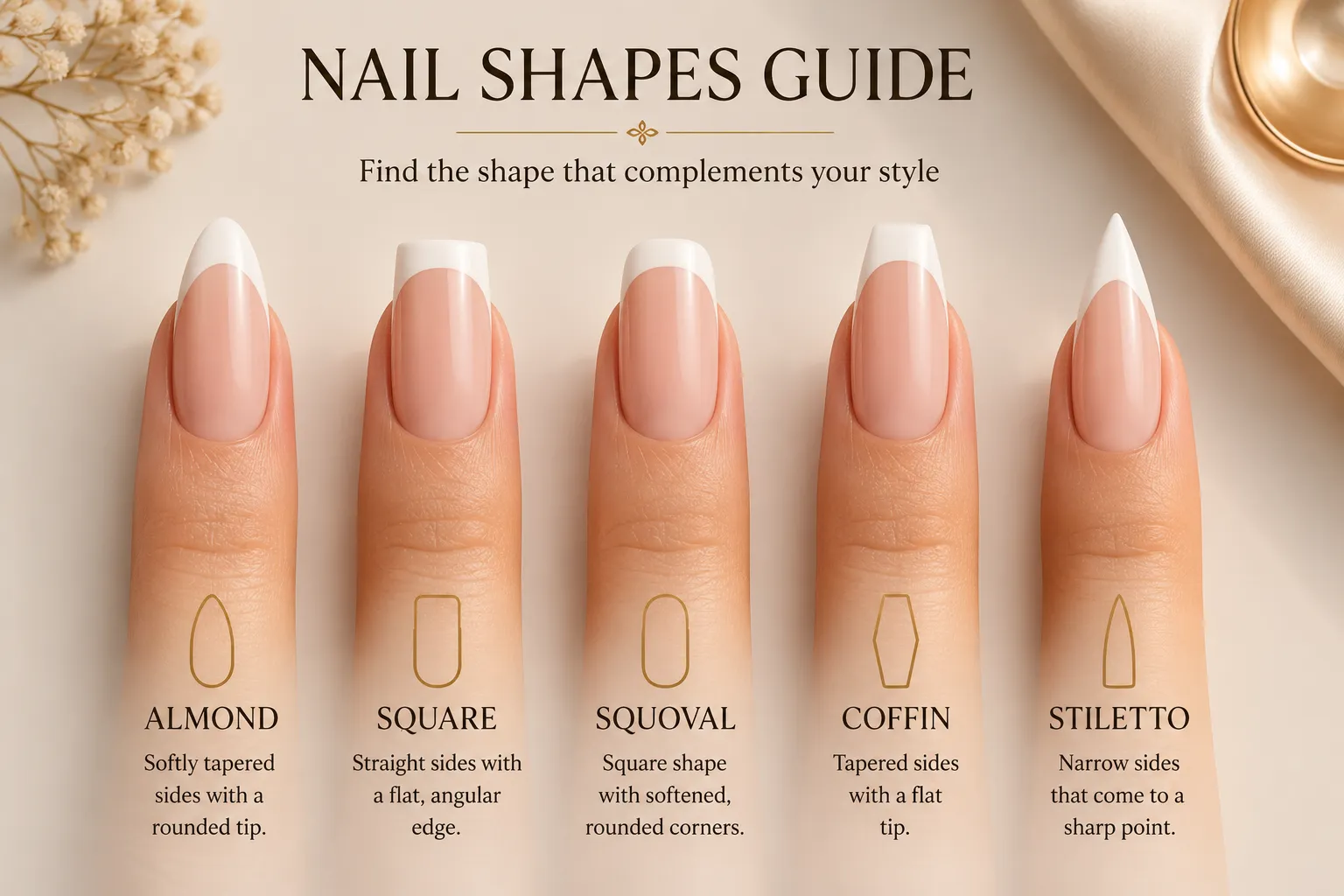
Nail Shapes Guide
Compare squoval, square, almond, oval, coffin, stiletto and other core silhouettes.
Explore Nail Shapes →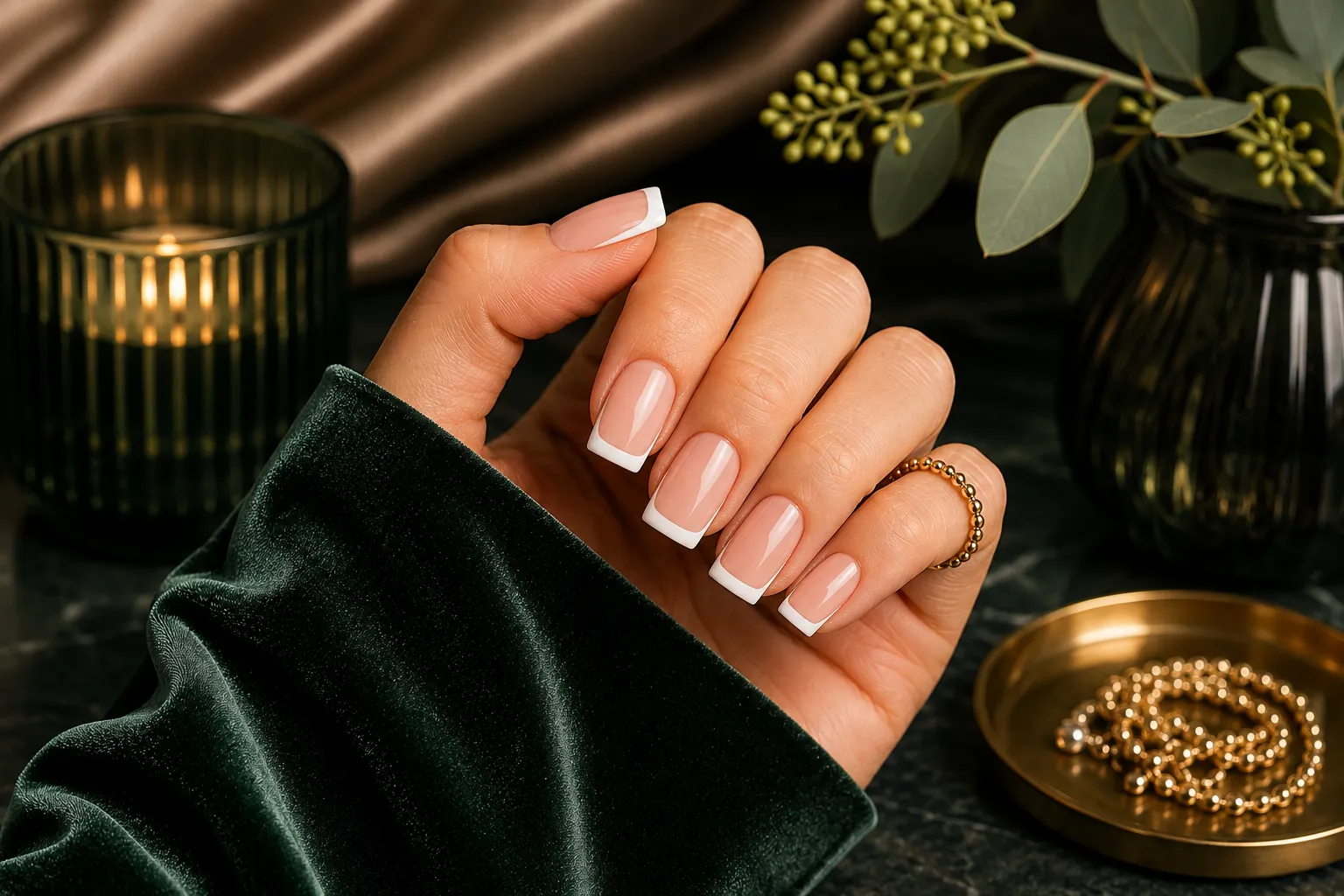
Square French Tip Nails
See how straight sidewalls and a flat terminal edge change French placement.
Explore Square French Tips →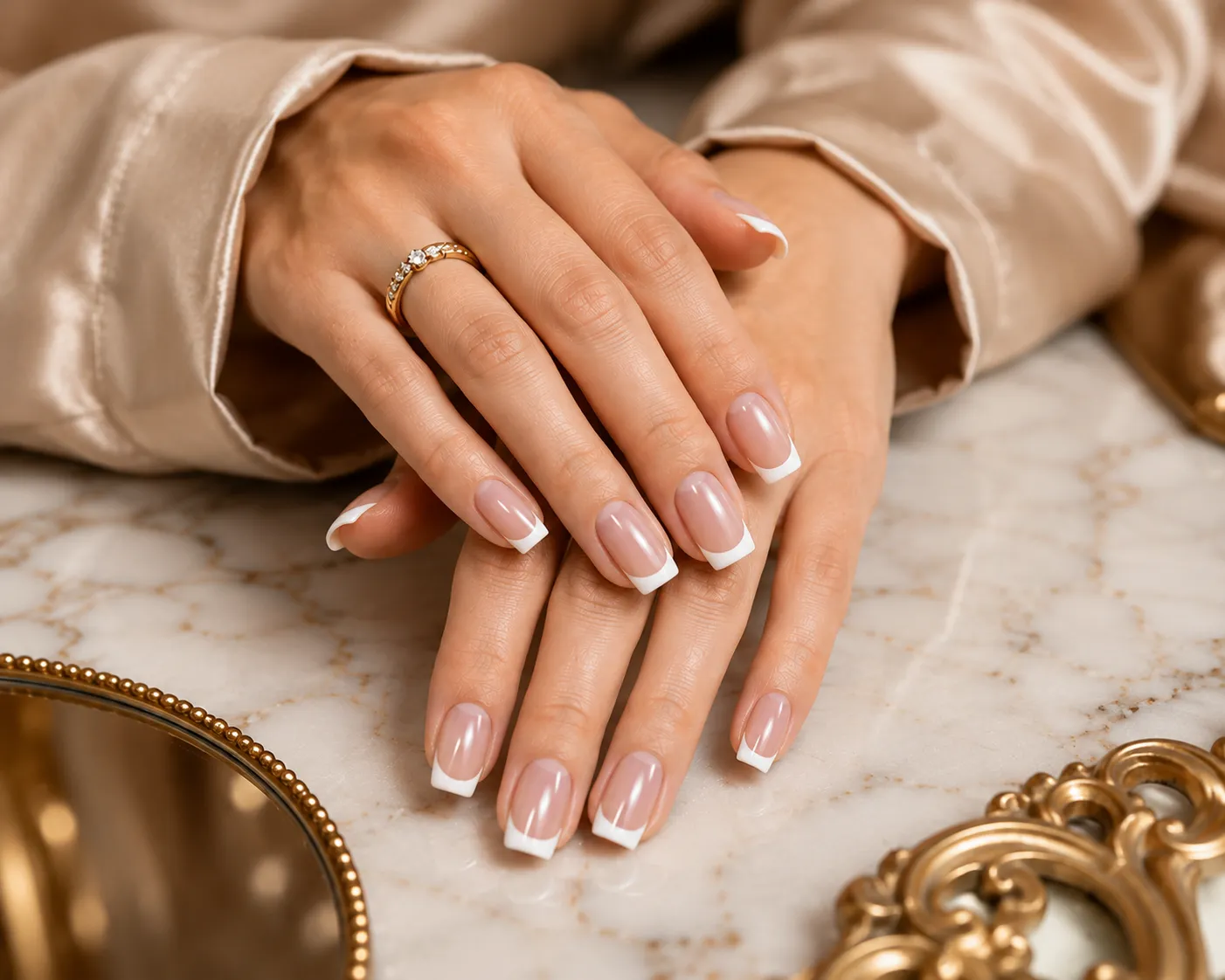
Squoval French Tip Nails
See how softened corners change the look while preserving a structured center.
Explore Squoval French Tips →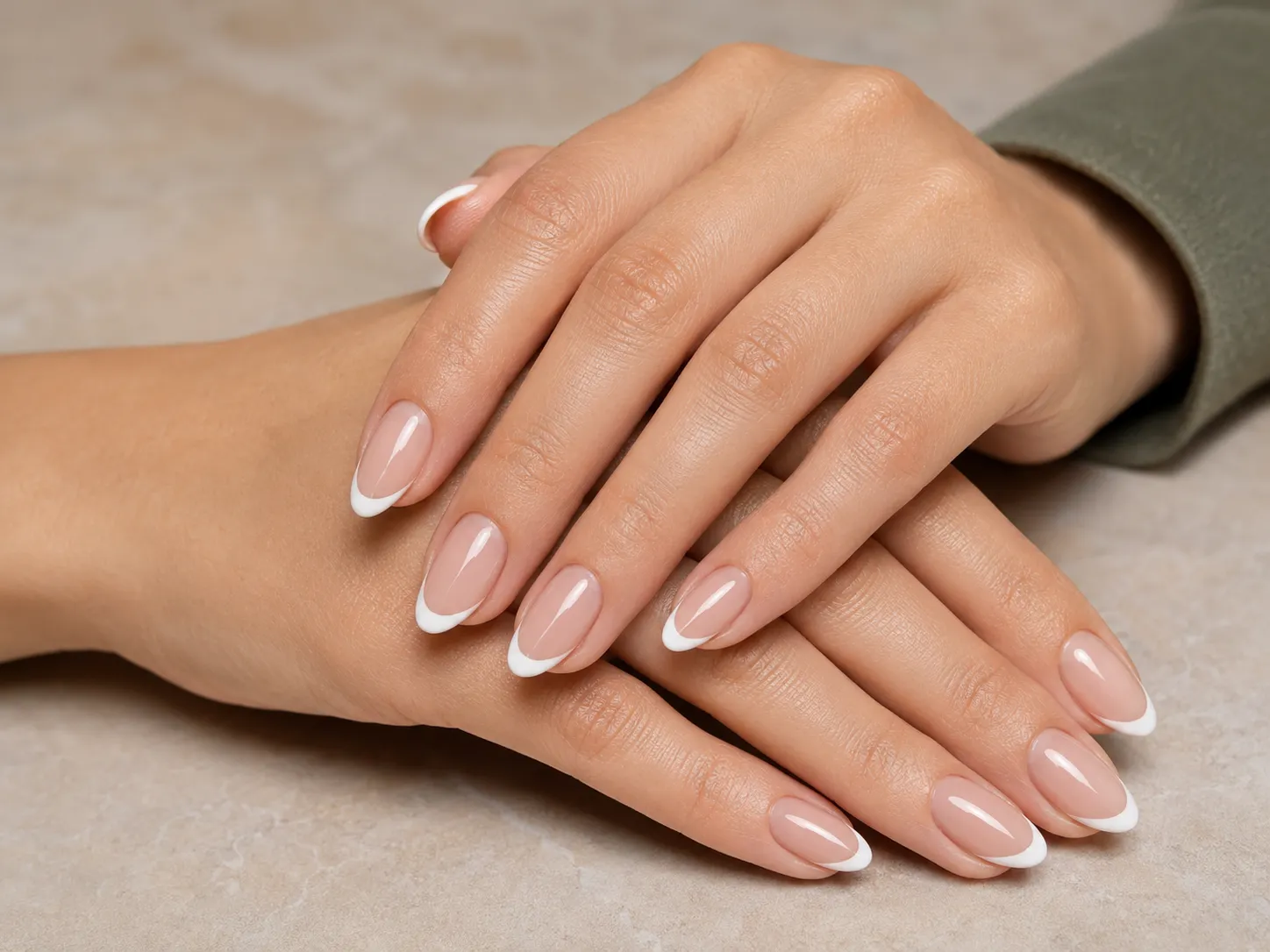
Almond French Tip Nails
Explore French placement on a gradually tapered silhouette with a centered tip.
Explore Almond French Tips →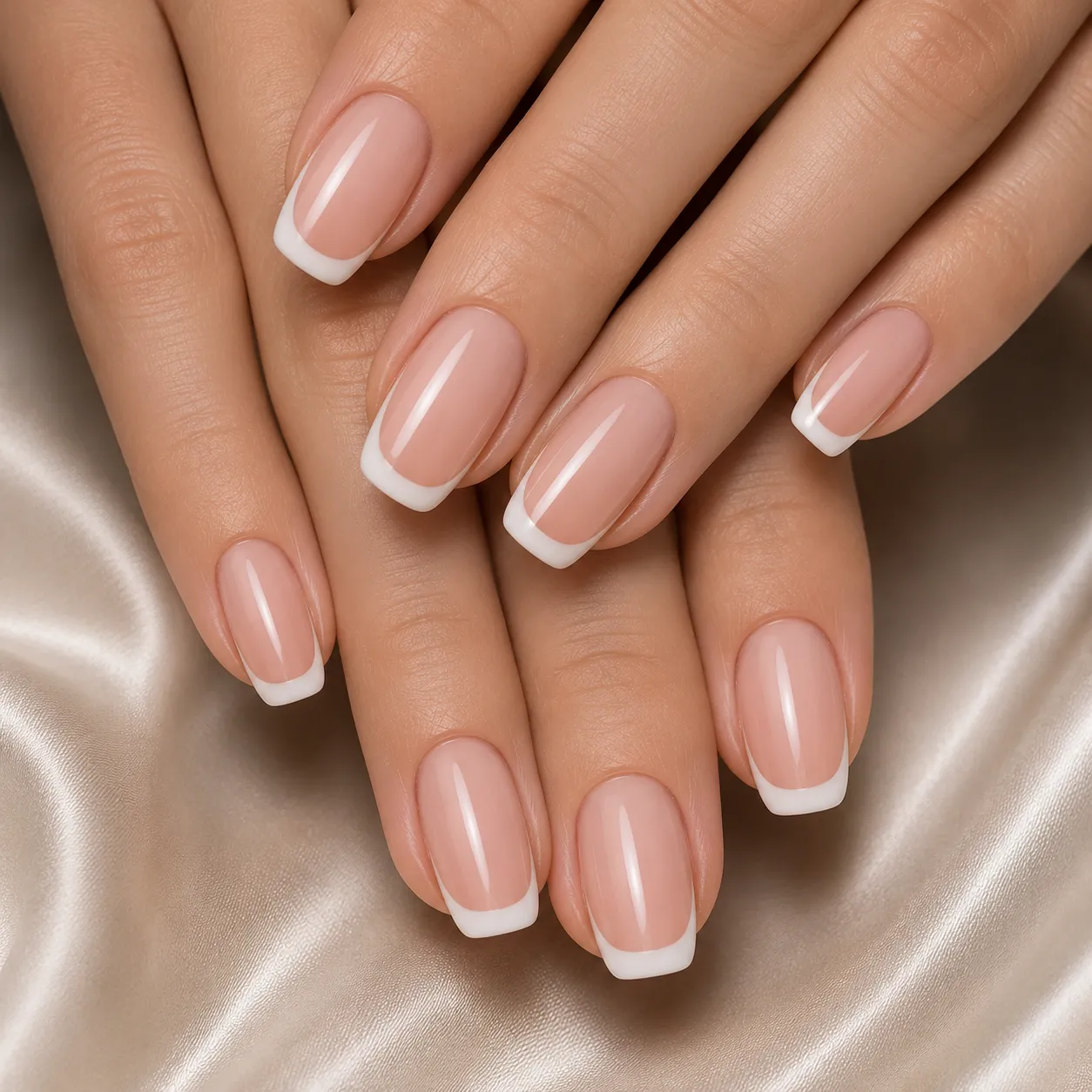
Classic French Tip Nails
Compare the micro hairline with traditional French bands and smile lines.
Explore Classic French →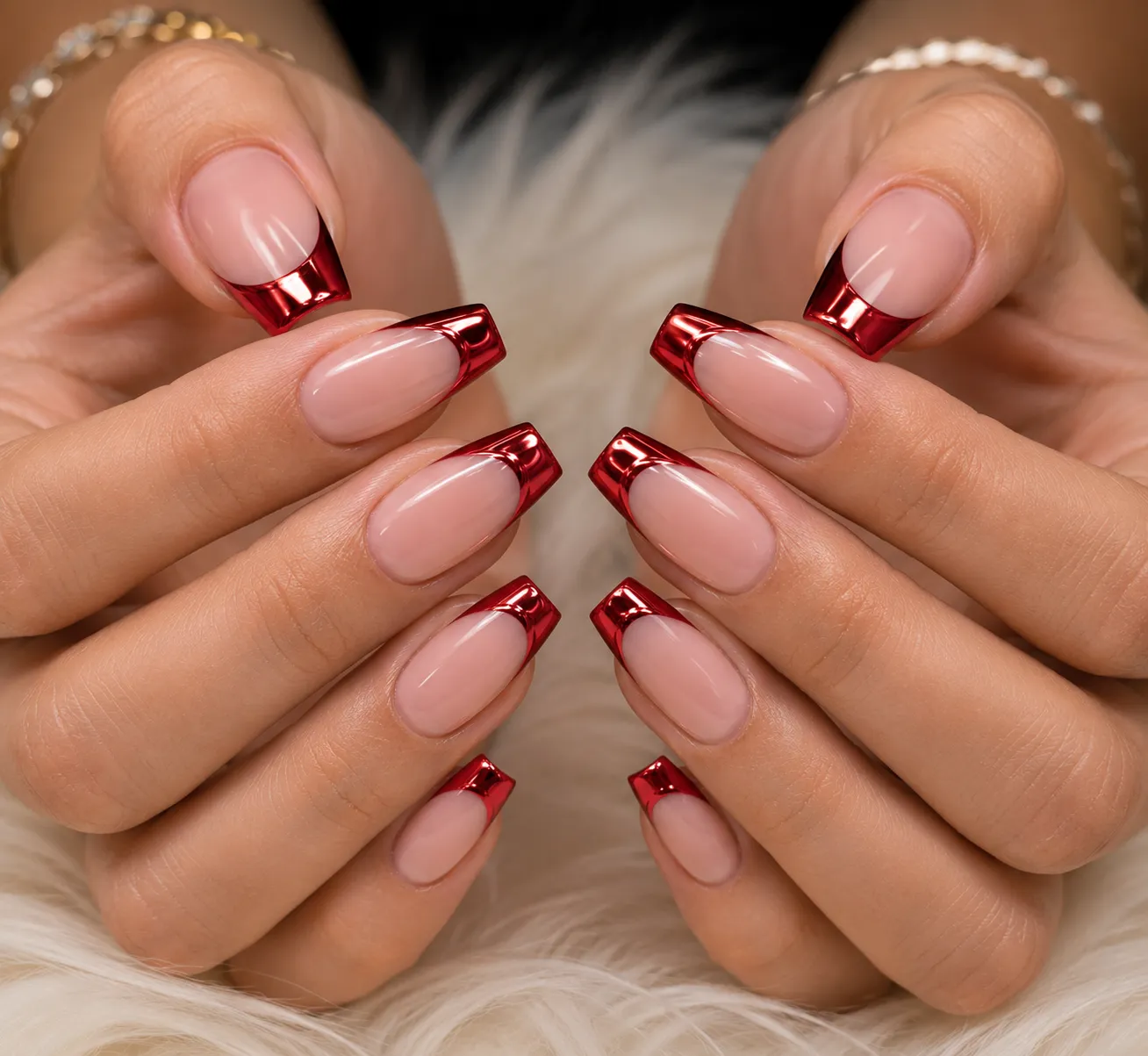
Chrome French Tip Nails
Explore stronger metallic French finishes when you want more reflection.
Explore Chrome French →