
Coffin vs Stiletto Nails: Which Shape Should You Choose?
Flat-ended drama or a true point? See the difference first, then compare French placement, wearability, structure, maintenance and cost before choosing your shape.
Coffin and stiletto nails share a dramatic taper, but the final few millimeters change the entire silhouette. Coffin ends in a flat edge; stiletto continues to a centered point. That difference affects French placement, daily wear, design space and how the nail behaves at the free edge.
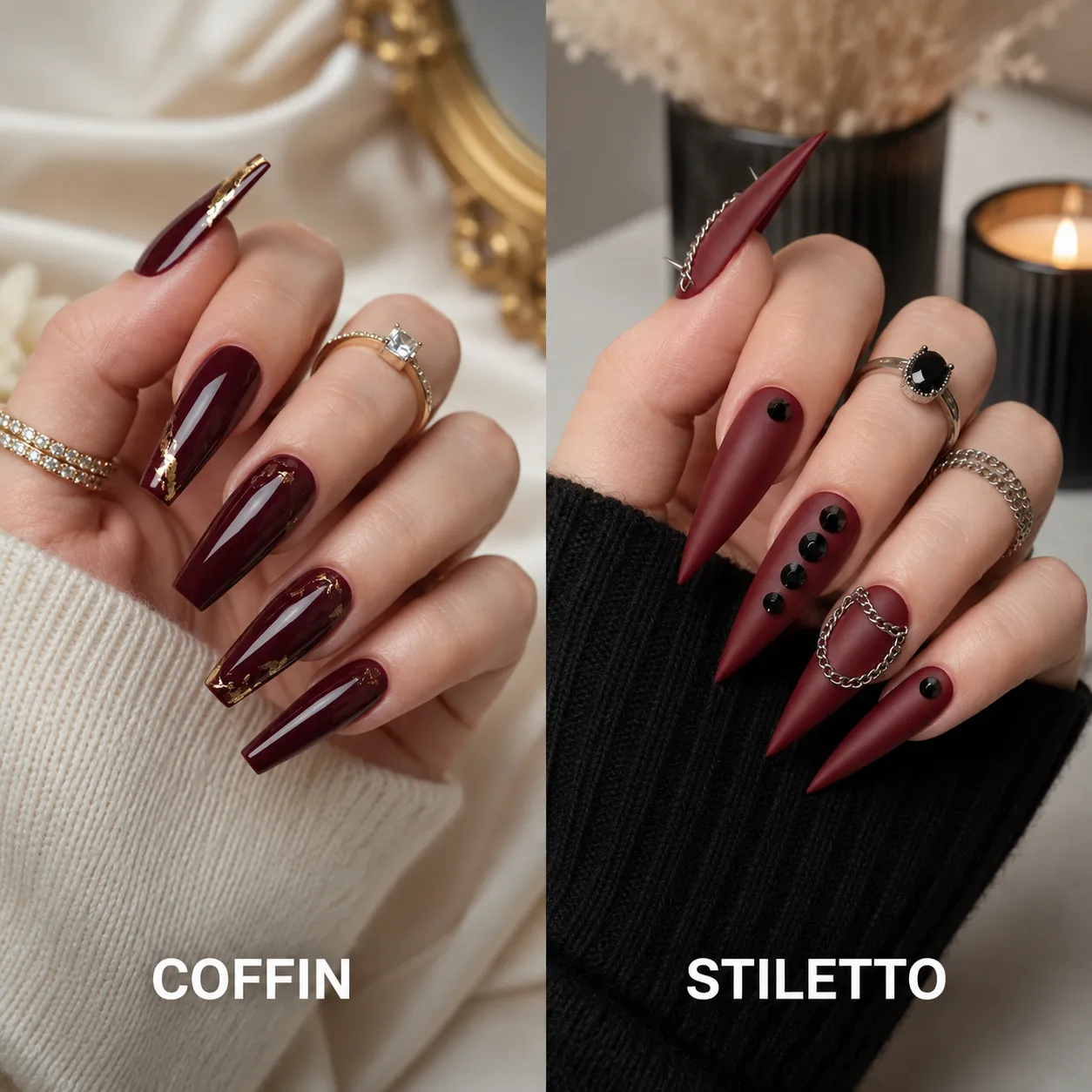
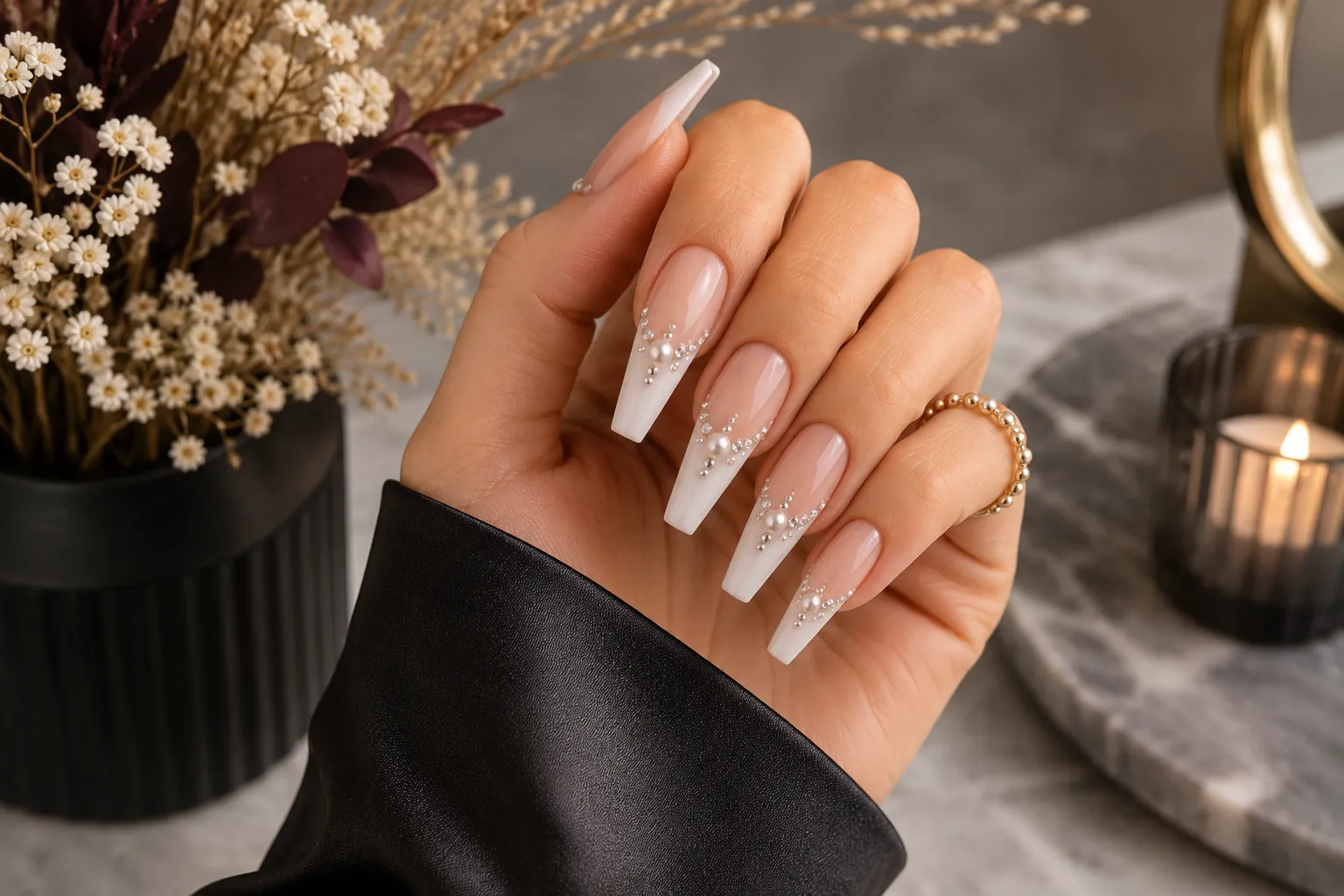
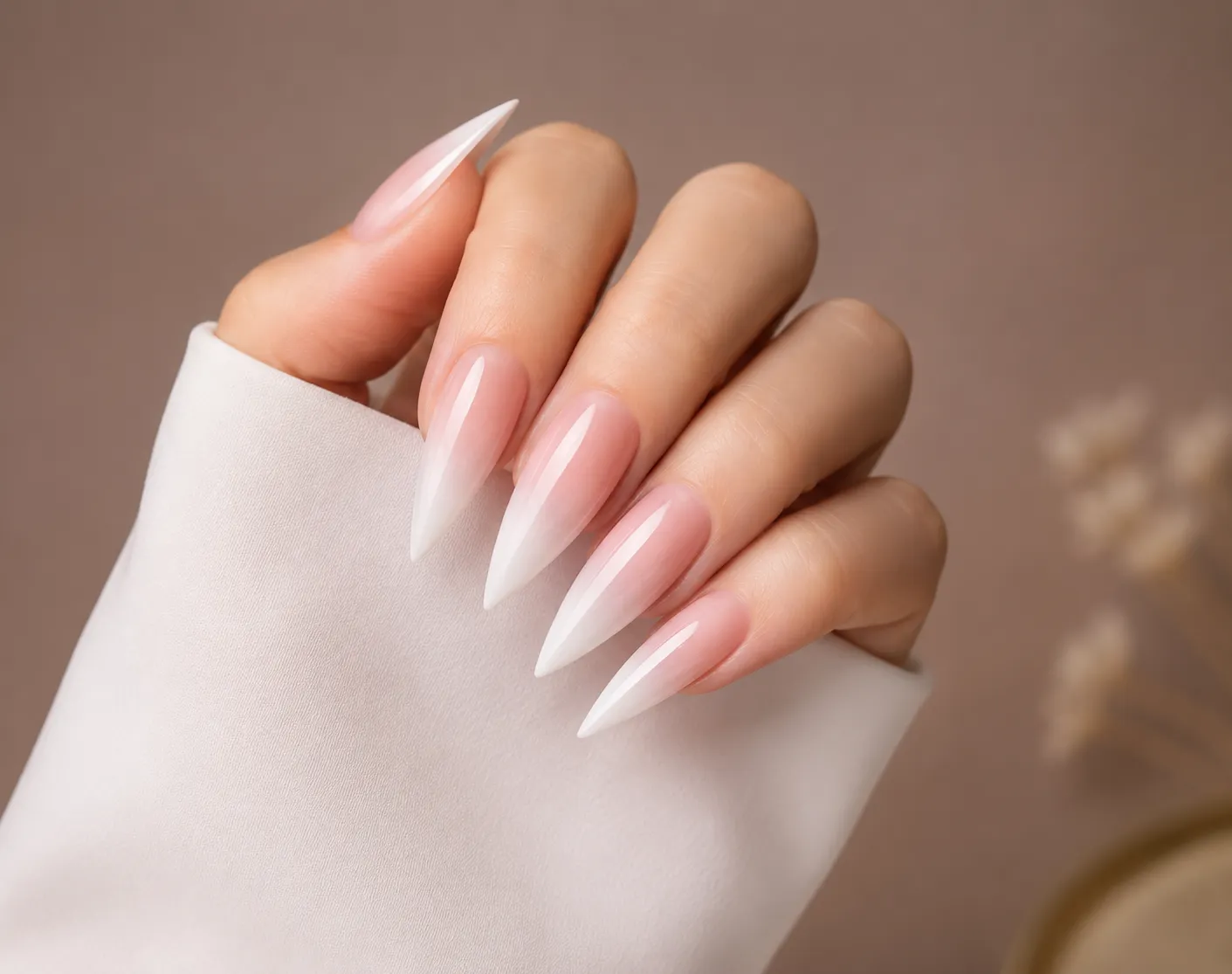
See the Difference Before You Read It
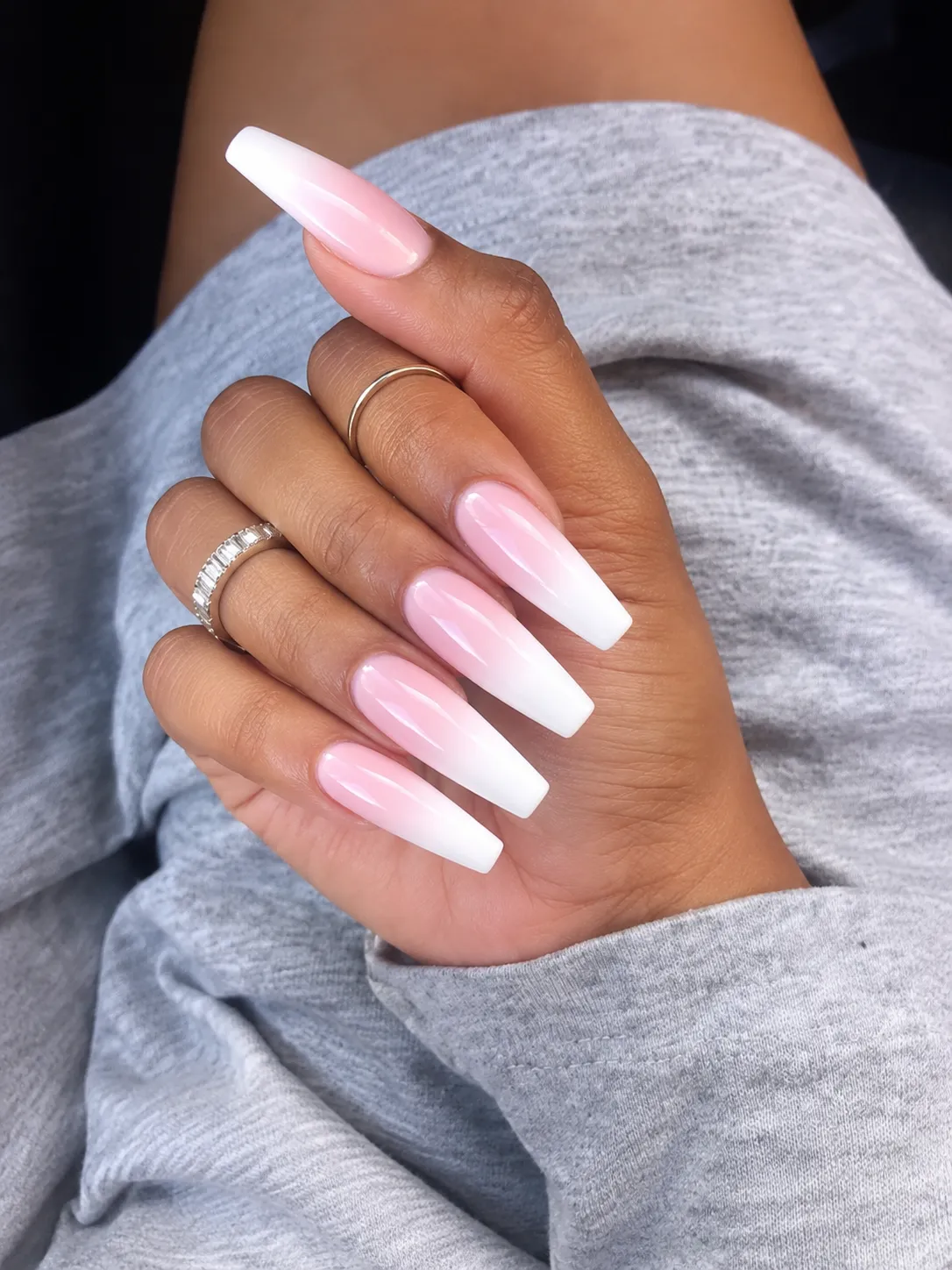
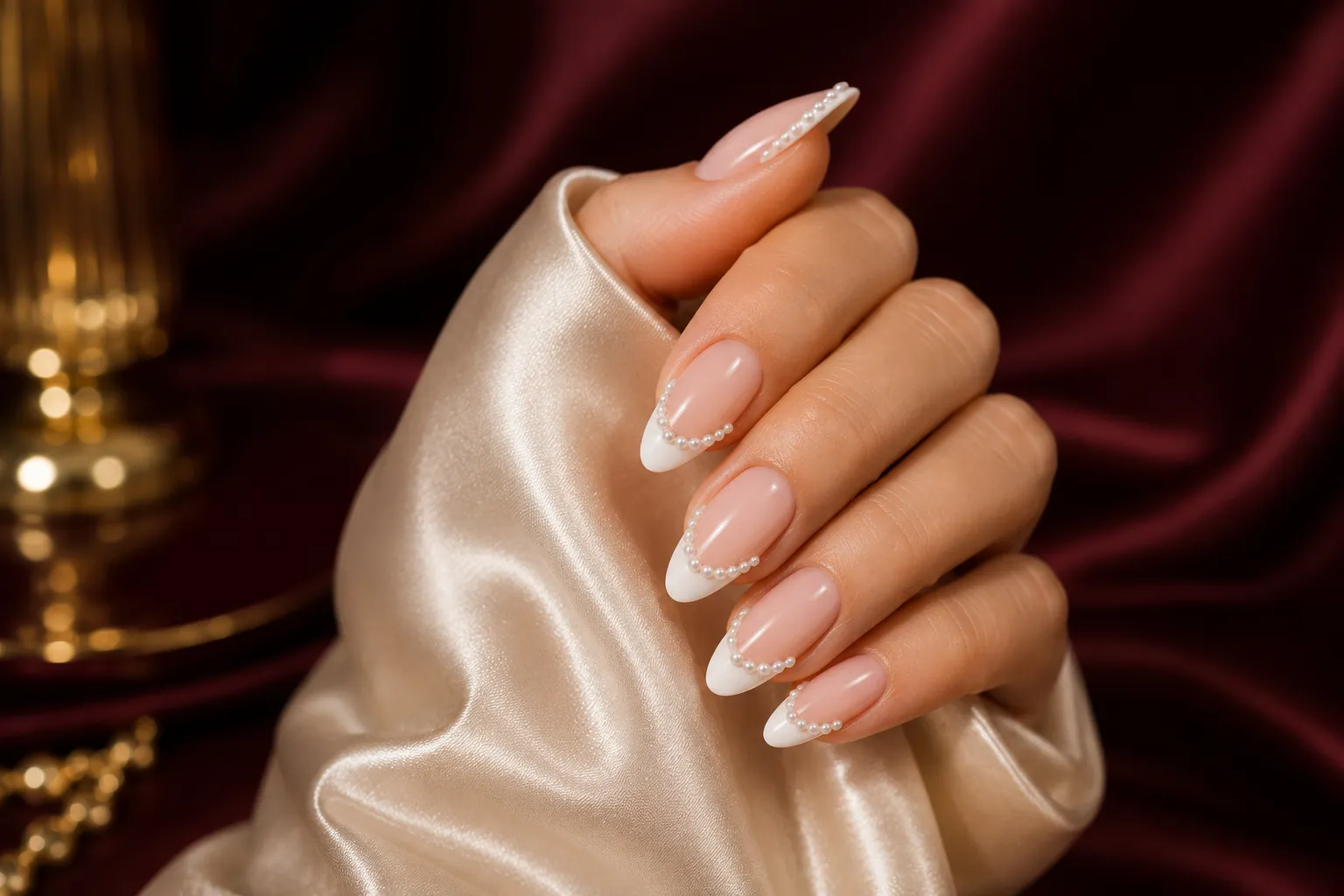
The fastest way to understand these shapes is to compare real manicures. Both taper, but the final few millimeters completely change the silhouette and the way a French edge behaves.
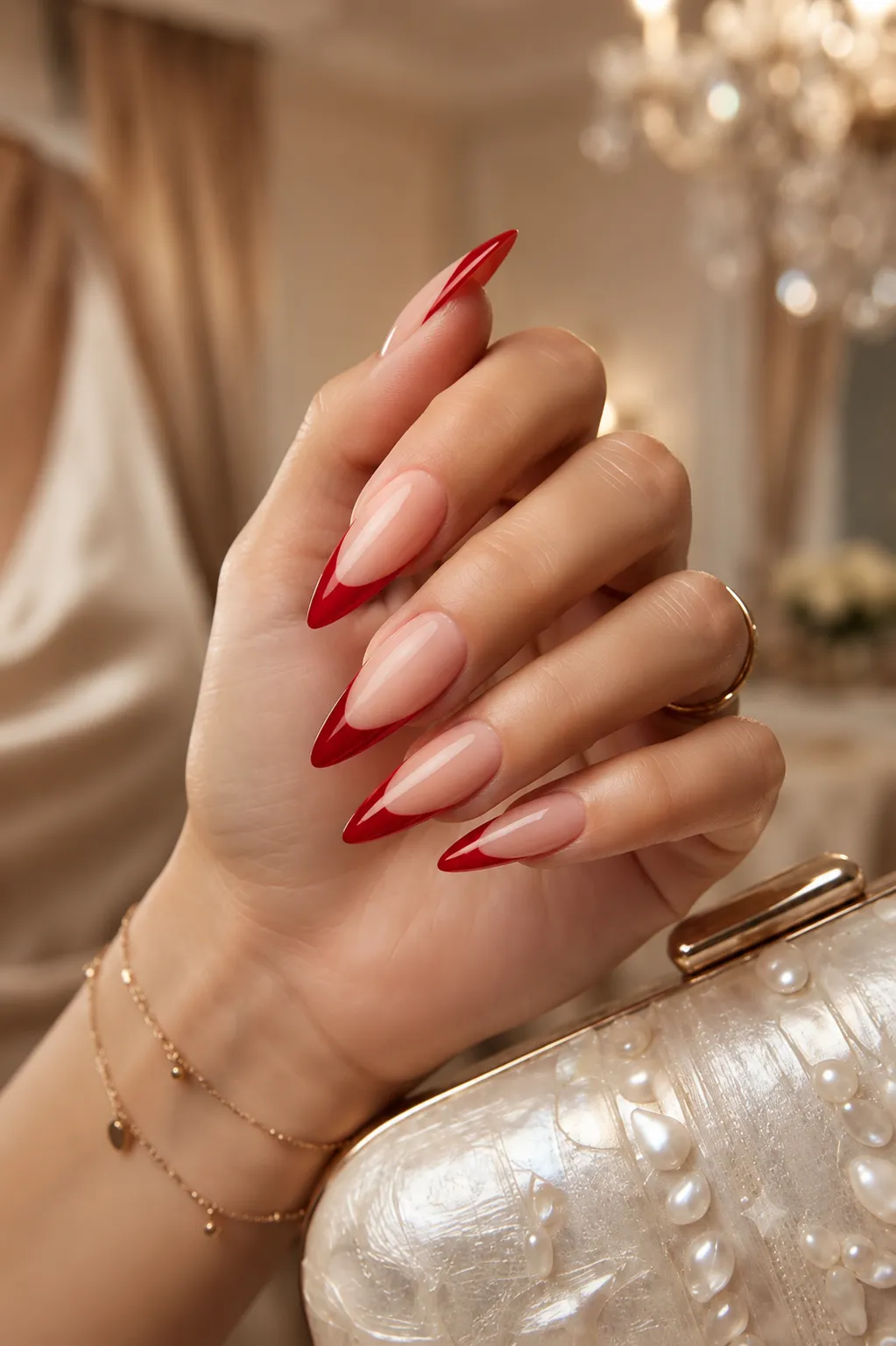
Coffin vs Stiletto at a Glance
| Feature | Coffin | Stiletto |
|---|---|---|
| Terminal shape | Flat, squared-off edge | Centered sharp point |
| Sidewalls | Taper, then terminate flat | Continue tapering to the point |
| Visual effect | Bold, structured, graphic | Sharp, elongated, editorial |
| French canvas | Broad and design-friendly | Narrow and directional |
| Daily wear | More forgiving at equal length | More caution around the point |
| Best for | Drama with some practicality | Maximum silhouette impact |
The Structural Difference Is More Than the Tip
The shape changes where contact is likely to occur. A coffin nail finishes with a wider terminal surface, while a stiletto concentrates the silhouette into a much smaller point. Product system, length, apex placement and technician technique still matter more than the name of the shape alone.
Where the free edge meets the world
Coffin spreads terminal contact across a flat edge. Stiletto brings incidental contact closer to a point.
Length can outweigh shape
Extra length increases leverage on either silhouette. A very long coffin can be less practical than a moderate stiletto.
Geometry still needs support
A balanced apex, supported sidewalls and correct tip fit matter more than assuming one silhouette is inherently “strong.”
Compare coffin and stiletto at similar lengths and with competent construction. Otherwise you are comparing two different structures, not just two different outlines.
Can You Wear Coffin or Stiletto Nails Naturally?
Sometimes, but extreme versions usually require enough natural free edge or an enhancement system to create the silhouette without over-filing the sidewalls. Short natural nails rarely have enough length to form a convincing coffin edge or true stiletto point safely.
Do not force a dramatic taper onto a nail that does not have enough free edge. Over-filing the sidewalls to “make the shape happen” can leave the silhouette narrow in the wrong place and compromise support.
Which Shape Is More Forgiving in Daily Wear?
At similar length and with equally competent construction, coffin is usually the more forgiving of the two because the free edge does not terminate in a fine point. Stiletto can still wear successfully, but the point demands more awareness around pockets, tight gloves, keyboards and repeated fingertip contact.
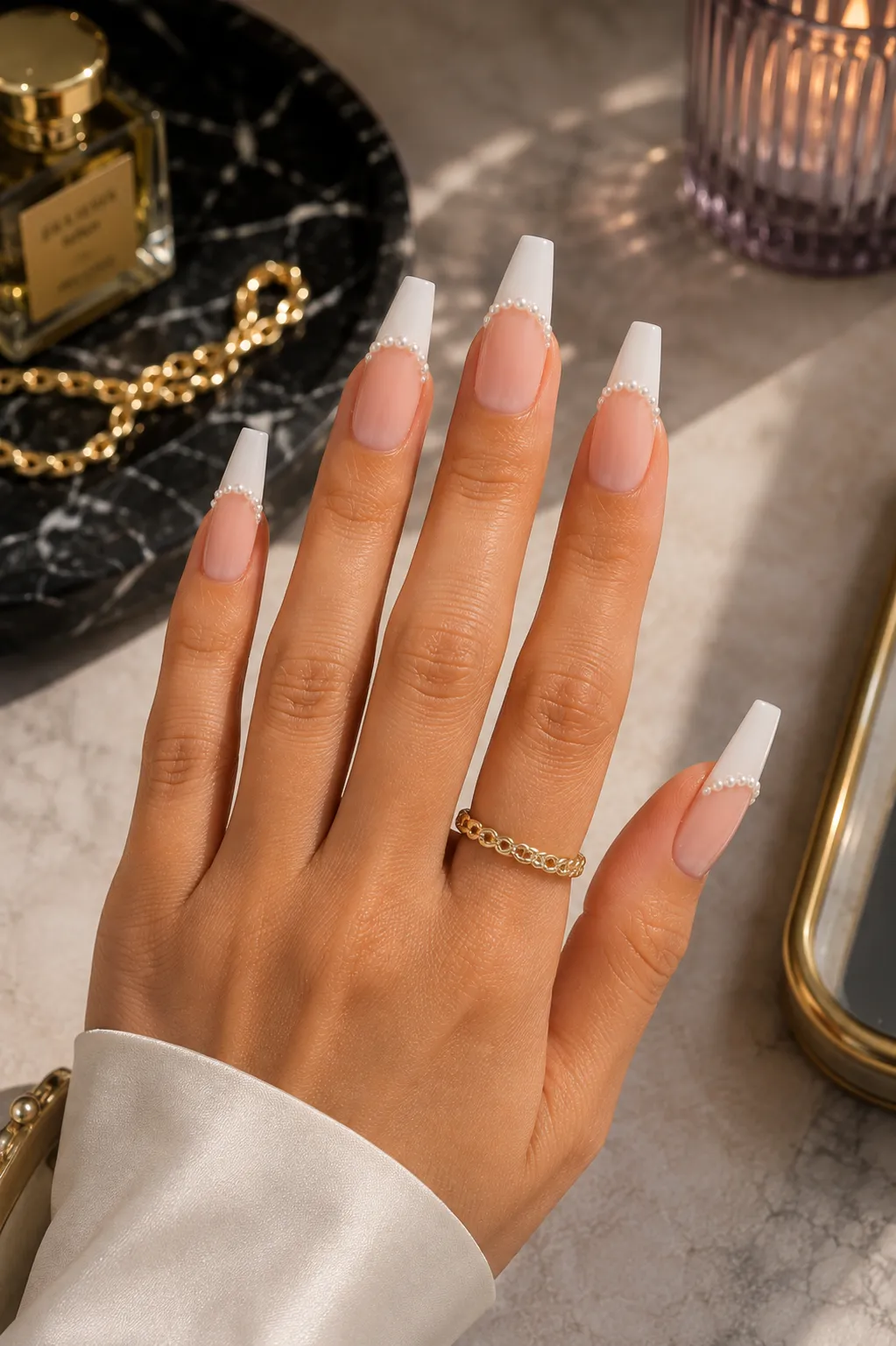
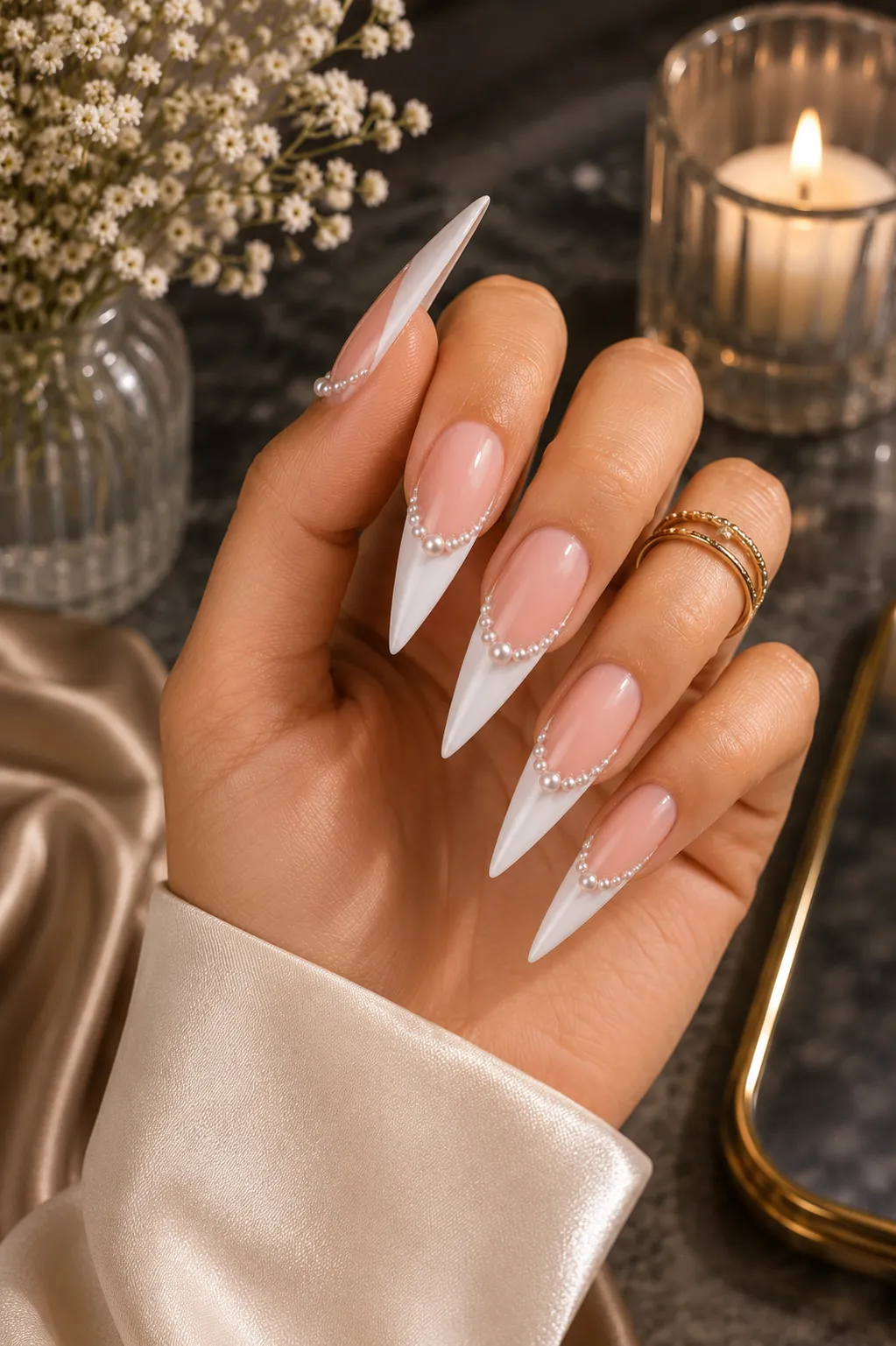
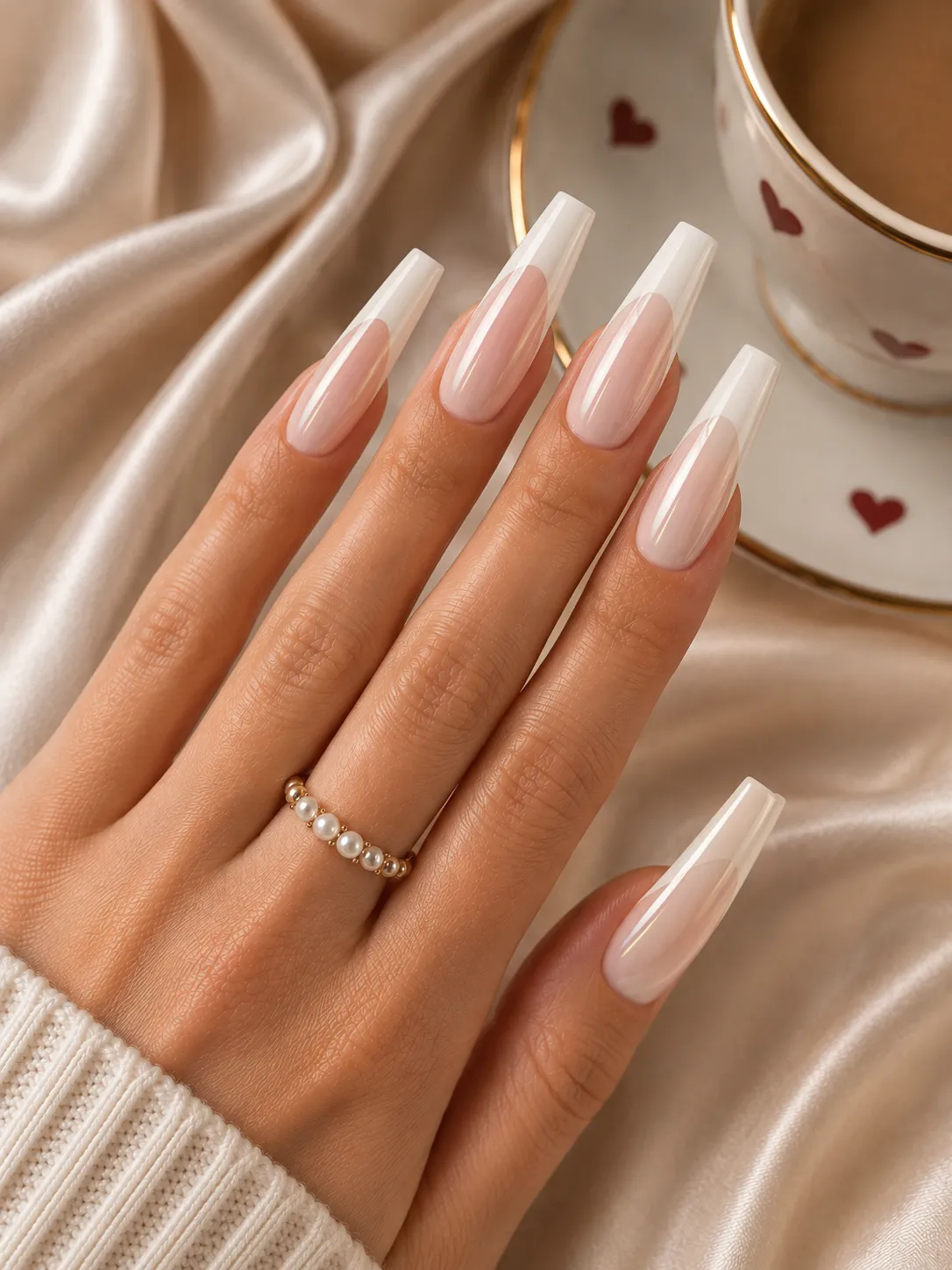
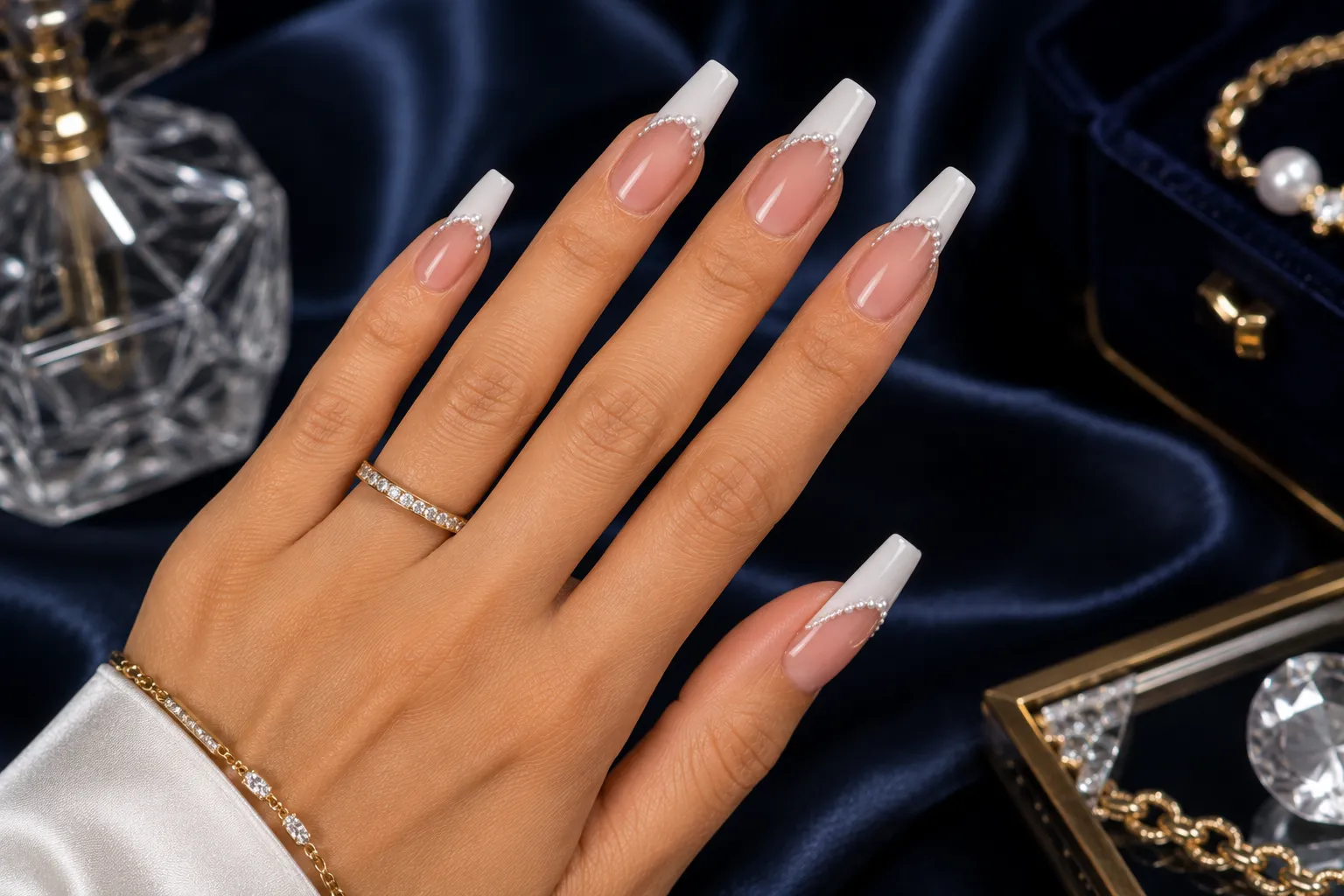
How French Tips Change on Coffin and Stiletto Nails
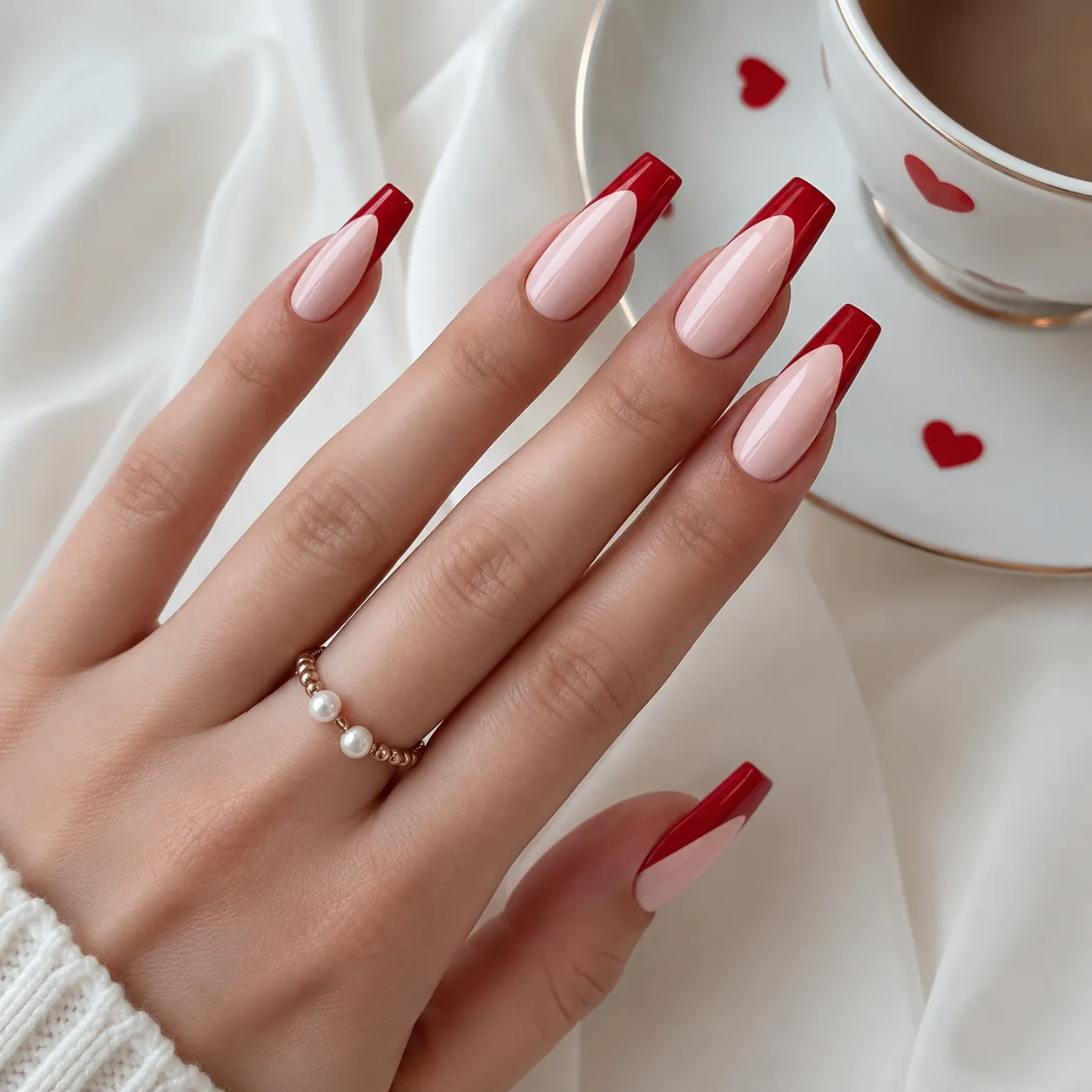
Coffin gives you a wider terminal canvas; stiletto gives you a directional one. The best French design reinforces that geometry instead of treating both shapes as interchangeable.
Use the width
Straight, softly curved, color-blocked and broad French placements can work because the free edge retains width.
Follow the convergence
V-shaped, diagonal, narrow and pointed placements usually cooperate better with the converging sidewalls.
Keep the tip proportional
Tip depth should suit visible nail-bed length. Heavy placement can make either shape look visually shorter.
Coffin vs Stiletto for Typing and Daily Tasks
Daily comfort is driven heavily by length. Still, at comparable lengths, coffin usually gives the fingertip a less extreme terminal shape while stiletto asks the wearer to work around the point.
| Situation | Coffin | Stiletto |
|---|---|---|
| Frequent typing | Usually easier at moderate length | Point may require more adaptation |
| Tight gloves | Length can still interfere | Point needs extra caution |
| Detailed nail art | Excellent broad canvas | Excellent directional canvas |
| Editorial styling | Bold and architectural | Maximum visual drama |
| Hands-on work | Shorten substantially | Usually the less practical choice |
Cost, Appointment Time & Maintenance
Price depends more on salon market, product system, extension length, art complexity and technician experience than on the words “coffin” or “stiletto.” Extreme length usually adds shaping and finishing time.
Usually less important than extension length, nail art complexity and the chosen product system.
Longer sets require more filing, symmetry checking and finishing—especially when French placement must match across ten nails.
Many extension services are maintained around 2–3 weeks, adjusted for growth, lifting, product system, length and daily wear.
Cracks, lifting, pain or impact damage should be checked sooner instead of waiting for the next scheduled appointment.
Mistakes That Ruin Coffin or Stiletto Nails
Over-filing the sidewalls
Removing too much width can distort the taper and reduce useful support through the transition area.
Making coffin too square
If the sidewalls stay parallel instead of tapering inward, the nail reads as square rather than coffin.
Letting the stiletto point drift
An off-center point makes the entire hand look inconsistent even when the polish and art are flawless.
Ignoring French proportion
A tip that is too deep can visually shorten either silhouette and make the free edge look heavier than intended.
Choosing length before lifestyle
The silhouette you admire can become frustrating when free-edge length conflicts with typing, gloves or frequent hand use.
Using art to disguise poor geometry
Chrome, pearls and dark color make asymmetry easier to see; decoration cannot rescue an off-center or badly filed shape.
Coffin, Stiletto, or a More Practical Shape?
Use the decision guide to separate the shape you admire from the one that fits your routine.
Do you work heavily with your hands, type for long periods or wear tight gloves?
Do you want a broad graphic canvas or the sharpest possible silhouette?
The flat edge gives color blocks, chrome, pearls and broad French tips more room.
The converging sidewalls make the point itself the dominant design feature.
Coffin is the balanced dramatic choice; stiletto is the uncompromised editorial choice.
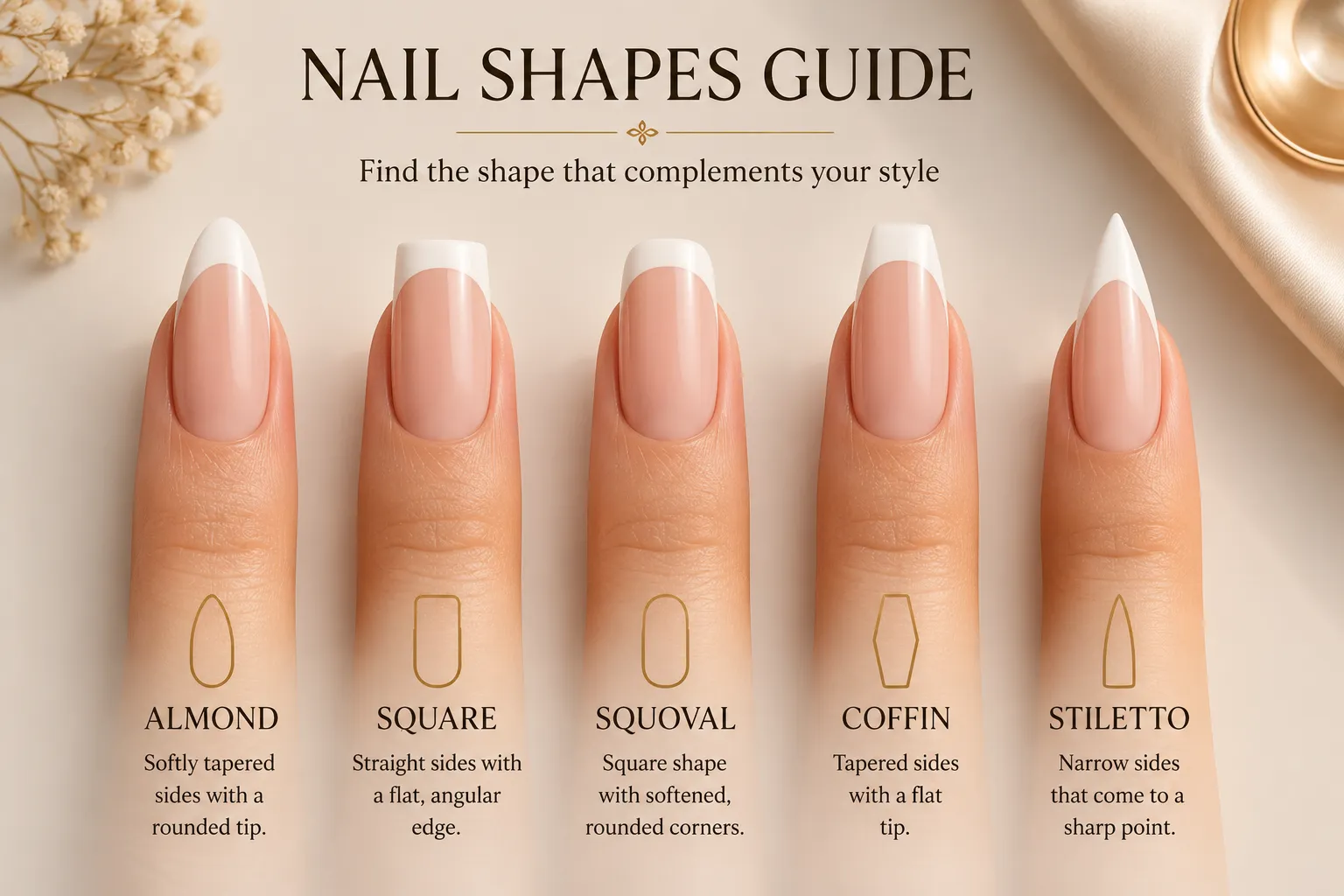
If neither feels compatible with your routine, compare the full silhouette family in the Nail Shapes guide.
Who Should Avoid Extra-Long Coffin or Stiletto Nails?
Extra-long versions are a poor fit when your routine involves repeated impact, tight protective gloves, frequent manual handling or tasks where a long free edge repeatedly catches or presses against surfaces. Existing lifting, cracks, damaged natural nails or pain are also reasons to postpone extra length until the issue has been assessed.
A new extension should not be used to hide an unresolved painful, cracked or lifting nail.
The Final Verdict
Coffin and stiletto are not interchangeable versions of the same long nail. Coffin keeps a tapered silhouette but finishes with a flat, design-friendly edge. Stiletto continues the taper into a centered point and makes that point part of the entire visual identity.
If you want drama with more design surface and somewhat easier day-to-day adaptation, coffin is the stronger starting choice. If the sharp editorial point is the reason you want the manicure in the first place, stiletto delivers the more uncompromised silhouette.
Frequently Asked Questions
Are coffin nails stronger than stiletto nails?
Not automatically. Product system, length, apex placement, sidewall support and application quality matter greatly. At comparable length, coffin is often more forgiving in routine wear because it does not end in a fine point.
Which shape is better for typing?
Coffin is usually easier of the two at moderate length. Very long versions of either shape can interfere with typing, so shortening the free edge often matters more than changing the shape name.
Can short nails be coffin or stiletto?
A subtle coffin can sometimes be created with enough natural free edge, but a convincing stiletto generally needs more length. Very short nails are usually better suited to round, oval or squoval silhouettes.
Which shape gives more room for French nail art?
Coffin provides the broader canvas. Stiletto provides a narrower directional canvas that works especially well with pointed, diagonal and V-inspired placement.
How often do coffin or stiletto nails need maintenance?
Many extension services are maintained around every two to three weeks, but growth, lifting, length, product system and daily wear determine the appropriate interval.
Do coffin and stiletto nails damage natural nails?
The shape itself does not automatically cause damage. Problems are more often associated with poor preparation, incorrect removal, excessive length, lifting, impact or an unsuitable enhancement system.
Explore Related Shape & French Guides
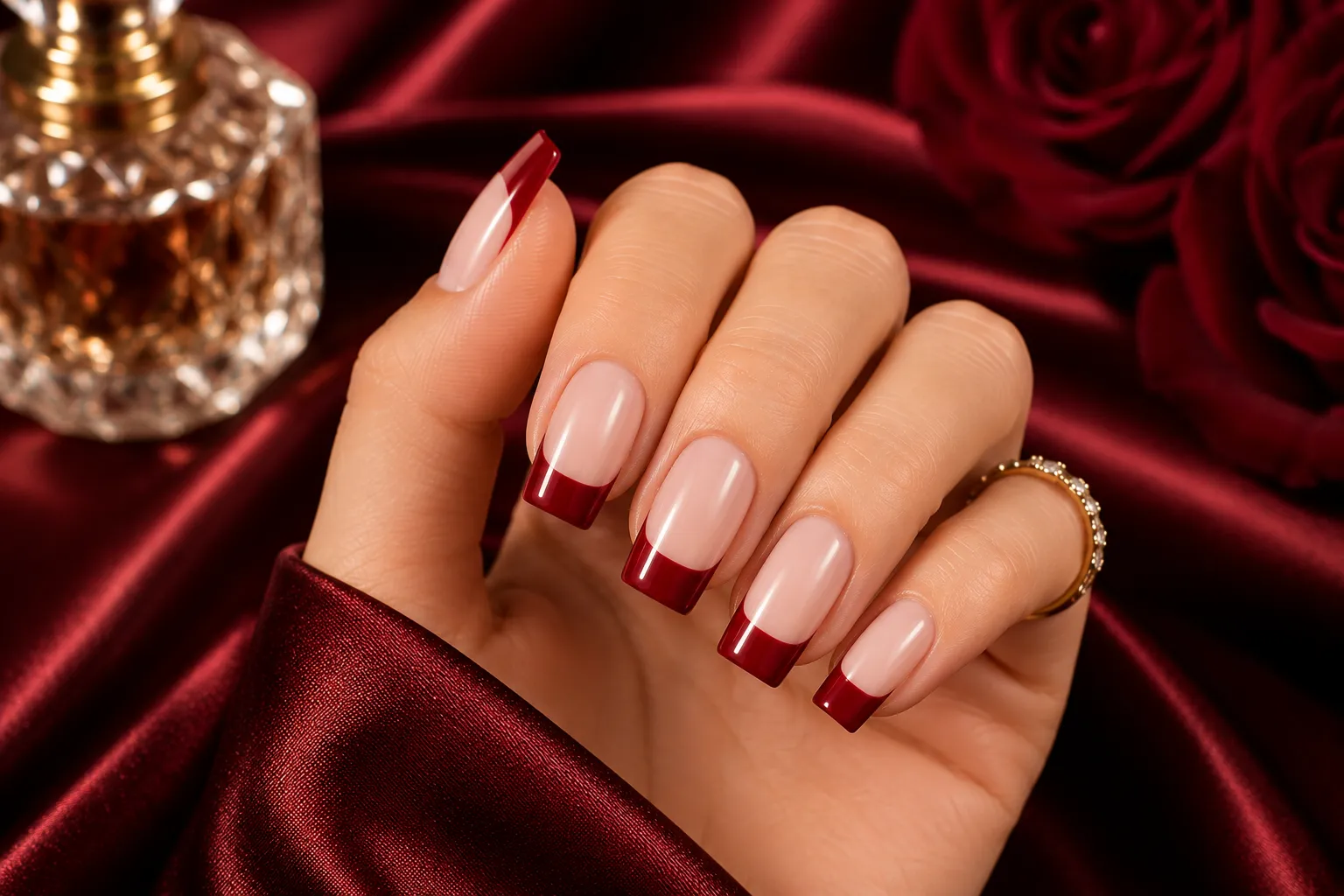
Continue with the shape hub or compare how color and embellishment behave across dramatic French silhouettes.
This comparison separates visible geometry from structural claims. Wearability guidance considers free-edge length, terminal shape and common daily-use trade-offs, while recognizing that retention and breakage also depend on natural-nail condition, product system, technician technique and aftercare.